Aquarium Salt dosage for Planted Tanks

As a general rule of thumb start with 1 tablespoon per 5-7 gallons of aquarium water. This is a safe dose for all fish and plants including salt sensitive corydoras.

Source: https://www.ibcbettas.org/aquarium-salt-the-healthy-preventative-v-2-0/

In terms of milliliters, it is approximately:

15 ml of salt for a 20 liter tank (5 US gallon tank)

5 ml of salt for a 7 liter tank (2 US gallon tank)

There are various arguments whether cooking salt can be used in place of aquarium salt. Personally, I use normal cooking salt (non-iodized) and so far it works fine (no fish nor shrimp nor snails have died).


Update: We have created a YouTube video on Aquarium Salt (Dosage, Benefits and Tips!)

Example of a 5 Gallon tank:

Example of a 2 Gallon tank:

Oven Power Trip

Bosch Oven Power Trip

Apparently, it is quite common in Singapore (and other tropical countries like Malaysia, Indonesia) that the electric oven cause a power trip (or short circuit) due to the high humidity. Basically, the heating element tends to attract moisture, and if the moisture accumulates too much it will cause a power trip. Since the humidity in the tropics is very high, the chances of this happening is also quite high.

There are two kinds of oven power trips:

  1. Oven power trips after a certain time (e.g. 5 minutes) from turning it on
  2. Oven causes power trip immediately upon switching on power

Clearly, Case 2 is more serious than Case 1. There is a simple solution for Case 1 Oven Power Trips that you may try: first switch on the oven to low temperature (50 degrees Celsius) to dry out the moisture. Only after reaching that temperature, then slowly turn up the temperature. This may solve your problem to stop the oven power trips.

For Case 2 Oven Power Trips, it is more serious, most likely you will need to call a professional to replace the heating element. For my case, I called the Bosch service repair on Friday, and they were able to come on Monday to repair the oven. It took less than half an hour, and it was free since my oven was still within the two year warranty period.

How to Prevent Future Oven Power Trips

To prevent future power trips or short circuits from occurring in the future, the ideal case is to use the oven more frequently (in all modes!). By “in all modes” I mean that you should use all of the modes, including the upper heater, lower heating element, and/or fans. This was emphasized by the Bosch repair man. (Previously I was only using one single mode, the “fan” mode.)

At the very least, one should still use the oven at least once a month (even if it is empty inside), to dry out the moisture, for a period of 10 to 30 minutes (recommended by many online sources as well as the Bosch repair man).


Bosch HBL5451UC 500 30″ Stainless Steel Electric Single Wall Oven – Convection

Popular packages in R and Python for Data Science

Most of the time, users of R and Python will rely on packages and libraries as far as possible, in order to avoid “reinventing the wheel”. Packages that are established are also often superior and preferred, due to lower chance of errors and bugs.

We list down the most popular and useful packages in R and Python for data science, statistics, and machine learning.

Packages in R

  • arules
  • arulesViz
  • car
  • caret
  • cluster
  • corrplot
  • ggplot2
  • lattice
  • perturb
  • psych
  • readr
  • recommenderlab
  • reshape2
  • ROCR
  • rpart
  • rpart.plot
  • tidyverse

Python Packages

  • factor_analyzer
  • math
  • matplotlib
  • numpy
  • pandas
  • scipy
  • seaborn
  • sklearn
  • statsmodels

Recall & Precision vs Sensitivity & Specificity

Other than accuracy rate, there are various metrics for machine learning to measure how “accurate” the model is.

Some popular ones for binary classification are sensitivity (true positive rate) and specificity (true negative rate).

In computer science, recall and precision are also common metrics.

It can be quite confusing to remember offhand what each metric means, and how they are related.

To summarize, the following are equivalent (for binary classification):

sensitivity = recall of positive class

specificity = recall of negative class

Sample source: https://onlinelibrary.wiley.com/doi/pdf/10.1002/cmdc.201700180

Other than the above metrics mentioned, there are also many other metrics, such as F1 score, etc.

LaTeX Table Style Guidelines

Drawing LaTeX tables is well known to be quite troublesome. Fortunately, there are some excellent tools online to generate LaTeX code for tables, e.g. Convert Excel to LaTeX.

Even after that, there are some stylistic dilemmas, for instance how many borders to include in the table?

I found this powerpoint slide that summarizes very nicely what to do (and what not to do) to create a nice LaTeX table. Source: https://inf.ethz.ch/personal/markusp/teaching/guides/guide-tables.pdf

Most Important Guidelines for Making Tables with LaTeX

  • Avoid vertical lines
  • Avoid “boxing up” cells, usually 3 horizontal lines are enough: above, below, and after heading (see examples in the guide above)
  • Avoid double horizontal lines
  • Enough space between rows
  • If in doubt, align left

The above 5 guidelines were invaluable and cleared up my doubts on how to make a nice table using LaTeX.

Express vs Normal Academic for borderline PSLE score

Just to share this old post on the dilemma of choosing Express vs Normal Academic (for borderline PSLE scores). Both choices have pros and cons and hence must be pondered carefully.

mathtuition88's avatarMathtuition88

For students scoring in the borderline of around 190- 200 PSLE score, there is a dilemma of going to Express stream in a neighborhood school, or Normal Academic N(A) in a more established school. Note that even good schools like Anderson, ACS (Barker) do have N(A) streams.

Here are some advices from people who have experience:

Source: Hardwarezone

First opinion says that N(A) in a good school is better:

“NA in good school

i myself is living example

in the end my parent chose express at neighborhood school

in the end that school is a s**** school. i cannot keep up with studies.

by secondary 2 i drop to NA

then stuck with the lousy neighborhood school and my whole life got ruin until now

if i can go back time i sure chose NA at good school”

This post (from Hardwarezone) made a good argument of why express stream…

View original post 606 more words

Ways To Turn Writing Inspiration Into Money

A good writer is gifted with imagination and the ability to capture the imagination of readers. A lot of these writers begin writing as a hobby. However, some have found a way of converting this hobby into an economic activity that brings revenue. You may take up freelance writing job or engage in other activities that will pay for the effort and skill you already possess.

Image

Writers have multiple options when looking for places to apply their skills. The options will depend on personal interests, available time, and the willingness to venture into a particular field, among other factors. Here are the options available to talented writers who wish to make a few dollars from their skills. 

Blogger

Open a blog where you share regular content with followers and readers. A lot of blogging platforms have emerged online that writers can use to launch their careers. A writer may also choose social media as a starting point for his or her blogging career. 

A blogger needs to identify the perfect niche for his or her blog. It should come out of interest so that your articles are insightful to read. Choose a unique style that your readers can identify with and always look forward to reading your articles. 

Writer

Individuals, businesses, and entrepreneurs are looking for the skilled persons who can tell their stories in writing. It means that a writer will never lose the opportunity to make money. You must possess the best skills that will enable you to meet your client’s expectations. 

Choose a niche and master the content needs for the area. For instance, a product reviewer will know what potential customers are looking for in a review. A content writer also understands the rules for producing the best description of merchandise. Your prowess in a given area will determine the number of clients who come looking for your services. Expert writers earn handsome returns. 

Editor

Editing is a skill that few have mastered. It requires a professional who understands the rules of writing and has a third eye to spot subtle mistakes. Editing eliminates errors that would distort communication leading to misreporting or misinformation. Experienced writers can take up editing roles and enjoy excellent returns. 

Ghostwriter 

Some individuals and institutions lack the time or skill to write but would desire to produce scripts and books. Ghostwriters are paid to complete the task but not take credit for the work. You have to master writing skills in a specific area like blogging, books, and such other genres. 

Trainer 

A lot of people desire to improve their writing skills. They are looking for mentors and trainers who can help them sharpen their writing skills. Since you understand writing and have specialized in a particular area, you can teach other persons looking for guidance or assist them in improving their skills. 

The amount of money earned from writing prowess depends on your area of choice and the ability to monetize the platforms you use. The money can be earned online or offline. Adapt to the latest writing tricks to improve your chances of making more money. 


Singaporean van Gogh – Mr Sim Kah Lim

Sim Kah Lim 2019 Update
Found 2 more excellent updated videos on Mr Sim Kah Lim, the artist.

mathtuition88's avatarMathtuition88

This is an amazing story of an amazing artist. His passion for painting is so great, according to his therapist he wants to paint 24/7 without eating or sleeping. I find his paintings of Singapore River very good.

“Bumboats on Old Singapore River”

“Singapore River of a Previous Era”

SINGAPORE: For nearly 35 years, Mr Sim Kah Lim’s world has been the walls of his ward at the Institute of Mental Health (IMH).

Outside, changes have swept the landscape, old buildings falling and new ones rising – skylines and shorelines of a 21st-century nation transformed.

But in his mind’s eye – and in his bold-stroked acrylic and watercolour paintings – Mr Sim’s homeland is one where bumboats still crowd the Singapore River, ferrying goods and passengers; and where Chinatown’s open-air markets thrive and its five-foot ways are bustling with locals, not tourists.

They are pictures, frozen in time and memory, from…

View original post 90 more words

Narrow Leaf Java Fern vs Normal Java Fern

It is well known that the Java Fern has different “varieties” — such as “trident”, “Windelov”, “Narrow Leaf” and “Needle Leaf”.

I kept normal Java Fern, as well as “Narrow Leaf” Java Fern in Singapore, at a temperature of around 29 to 30 degrees Celsius (85-86 Fahrenheit).

I found that the Normal Java Fern does well (nice green color, and grows baby plantlets), but the “Narrow Leaf” Java Fern does not do well (becomes browner and even blacker by the day).

I checked online and at least four other people have experienced this:

I think cooler temperatures might be the answer. My narrow leaf in syd are lush green and pearling like mad in temps of 25 celsius. In KL, 28-29 celsius, they grow a little, turn brown sometimes and are a bit of a hassle to keep. My normal java fern does well in any temps/conditions, just the narrow leaf, more demanding. Has anyone grew nice long narrow leaf in warm temps? Those in LFS have them in air conditioned rooms.

Source: http://www.aquaticquotient.com/forum/showthread.php/21779-Narrow-leaf-Java-Fern


Narrow Leaf Java Fern does better in cooler temperatures (around 25 degrees Celsius)

Other anecdotal evidence that Narrow Leaf Java Fern may do better in cooler waters:

Wes,

I’ve had a lot of success with Java Ferns and Narrow Leaf Java Ferns (NLJF) in my tank.

My tank is high-light (288Watts for 80gallon) and has lots of CO2 (3bps). I dose it with TMG almost every week. I tie the JF on driftwood and also bury them in my substrate, either way it grows well. Kwek Leong did share with me that growing them in substrate will produce longer leaves for NLJF and that holds true in my tank. I place them very new my water outlet as I read somewhere that the JF thrives in that environment. Also, I have a chiller that keeps my water temp at around 24.5-25.0C.

Hope this helps!

Cheers,

Roger

Another post:

I knew of a tank that grow Narrow Leaf Java Fern very well and the conditions are like what Roger has too. Under these conditions, they grow very rapidly and the leafs are jade green and very clean (no spots at all).

Yet another post:

I used to have prolific growth of Narrow Leaf Java Ferns in my tank. I don’t think CO2 injection is necessary but the ferns probably do better under low light and cold water.

Source: http://www.aquaticquotient.com/forum/showthread.php/49107-Best-conditions-for-Java-Fern

Methylene Blue and Narrow Leaf Java Fern

Something else interesting that I found out is that methylene blue seems to affect narrow leaf Java Fern negatively, but not normal Java Fern. Basically, the Methylene blue seems to stain the narrow leaf Java Fern, and lead to its demise. I tried this out inadvertently while dosing my fish tanks with methylene blue to cure ich.

The Narrow Leaf Java Fern is on the right of my fish tank in the video below (it was still in an ok state at that time):


I think the conclusion is that Narrow Leaf Java Fern is a slightly more demanding plant when it comes to temperature (does not do well above 27-28 Celsius). Due to global warming, many countries in the tropics are now stuck with 30 degrees Celsius temperature almost all year round, hence the normal Java Fern may be a better choice.

It also sort of makes sense in terms of plant biology. Usually plants with “thin” leaves tend to be those that live in colder/cooler weather such as pine trees. While plants with big wide leaves are those that live in hot tropical weather (such as banana tree). Using this “logic”, I would suppose that needle leaf Java Fern also does better in cooler waters.

How to Balance College and Work and Find Some Spare Time

No one said it would be easy, but if you’re looking for ways on how to balance college and work, use these tips to improve time management.

A recent survey revealed that the majority of students work while attending college. Learning how to balance college and work on a full-time basis is your key to achieving success with less student loan debt.

According to this survey, 24.4% of students claimed they were fully responsible for funding their education. If your dream depends on you getting a degree, please know that your goal is still within reach.

Attending school and working full-time isn’t easy, but any effort you invest in this endeavor will pay off big time. You, too, deserve to feel the pride of graduating with a degree.

Here are some tips on how to balance work and college full-time.

How to Balance College and Work: Time Management

Knowing how to balance work and college means mastering time management. Developing time management skills involves planning and budgeting your time well. When you have 2 schedules to juggle, you must keep track of both to succeed.

Make sure you either write down your work hours or mark them on your phone’s calendar. Use a college schedule maker to create a visual reminder of your class schedule.

Print several copies of this schedule, including a copy to carry with you and another copy to hang up in your workspace.

Designated Workspace Hours

Anyone who’s aware of how to balance school and work in college has a designated space where they complete their work. This space is organized, clean, and stocked with supplies. It’s also free of distractions, so getting work done is more doable there.

A designated workspace like this helps you be more productive. Once you get into the habit of doing schoolwork there, your brain starts associating that space with getting homework done. Then simply entering this workspace will kick your brain right into “homework mode.”

Carve out time that you’ll commit to spending in your workplace. During this time, you’ll study and complete homework. School is just as important as work, so you need to devote time to it.

This way, you won’t have to rush and can work on this next tip.

Sleep Schedule and “Me” Time

Make sure you maintain a regular sleep schedule. Also, try to enjoy some “me” time whenever you get the chance. Your schedule is already packed, so there’s no need to cram more stuff into your day.

Sure, caffeine will help you stay awake. But no amount of caffeine will energize you as much as a good night’s sleep can.

Work on your assignments as soon as possible instead of procrastinating. Getting work done on time reduces your need to rush or pull an all-nighter.

You Are a Success in Progress

The CDC recommends that you get at least 7 hours of sleep per 24-hour period. You can’t truly know how to balance college and work if you’re not getting enough sleep.

If you do pull an all-nighter, make sure you get sleep as soon as possible. An erratic sleep schedule will eventually hurt your work/academic performance.

Give yourself some credit⁠ and check out our resume and networking tips. It’ll improve your chances of landing a better job.

Bend It Like Beckham: How to Become a Pro Soccer Player

How to Become a Pro Soccer Player

Ever wanted to bend it like Beckham? Turns out, you can with the right training and dedication. Read on to learn how to become a pro soccer player.

Sure, a lot of people dream about becoming a professional athlete. But, most of them don’t have what it takes to go pro and wind up giving up on their dreams.

Becoming a pro soccer player requires a little bit more than a love for the game; it takes a lot of hard work, patience, and determination.

If you think you have what it takes to make it in the big league, but aren’t sure where to begin, we’re here to help you chart your course.

Here’s everything you need to know about how to become a professional soccer player.

Be Ready to Dedicate Yourself

If you’re serious about becoming a professional soccer player, you’re going to need to be ready to give your life over to your sport.

In the years leading up to and during your pro career, you’re going to need to eat, sleep, and breathe soccer. Your body is now your most important tool, and you’ll need to do everything you can to hone it and mold it into a soccer-playing machine.

You’ll need to put together a strict training regimen, and spend a few hours every day practicing.

Outside of training, you’ll need to change your eating and sleeping habits to make sure you’re taking proper care of your body. That means giving up late nights and junk food.

If you think you can handle molding your life around your sport, you can begin to pursue your professional career.

Join a Club or a Team

You can’t walk up to a recruiter and insist you can play at a professional level. You’re going to have to prove it. And, the best way to show off your soccer skills is by joining a local team or a club.

Playing minor league or college level soccer is one of the best ways to get noticed on the field. That said, playing university sports can pose the additional challenge of balancing classes on top of your practice time.

If you make your university’s team, you’ll want to sit down with a college schedule maker to plan your classes and study time around your soccer career.

Joining a team will also help you work on your communication and teamwork. These skills are essential when playing a professional level sport.

On top of that, a team will have the resources available to help you get in touch with club owners and recruiters.

Train On and Off the Field

If you want a chance at going pro, you’re going to need to train outside of team practices.

Work with your coach or professional trainer to construct a good crosstraining program. You’ll also want to go over the best activities you can do to help your body recover on your rest days.

Sticking to a rigorous training program can be tough. But, all your hard work will be worth it the first time you don your pro uniform.

Build Your Network

Finally, like with most careers, it’s not always about what you can do, it’s about who you know.

Go to networking events, talk to your coaches about your goals, and prepare a highlight reel to send out to various clubs and recruiters.

Building a network is one of the best ways to bring your pro soccer dreams to life.

Becoming a Pro Soccer Player

If you want to become a pro soccer player, the most important thing you can do is maintain belief in yourself and your goals.

Reaching the professional level can take years. And during that time you’re probably going to face a lot of rejection. But, if you never doubt yourself and keep working toward your goal, you’ll eventually reach it.

Are you looking for more advice on how to take your game to the next level? We’ve got you covered.

Check out the rest of our blog for more helpful articles today!

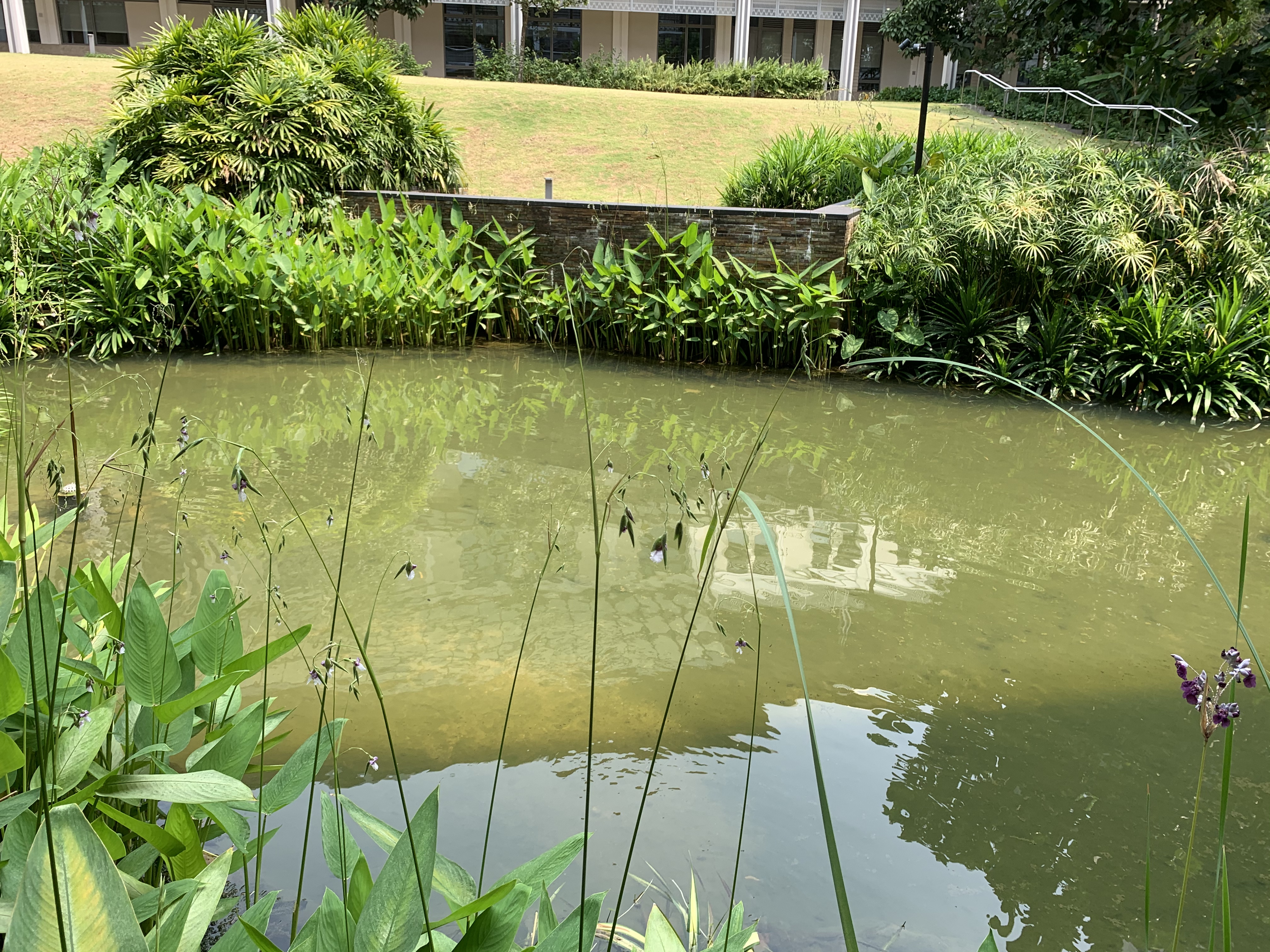
Fish at Yale-NUS Eco pond

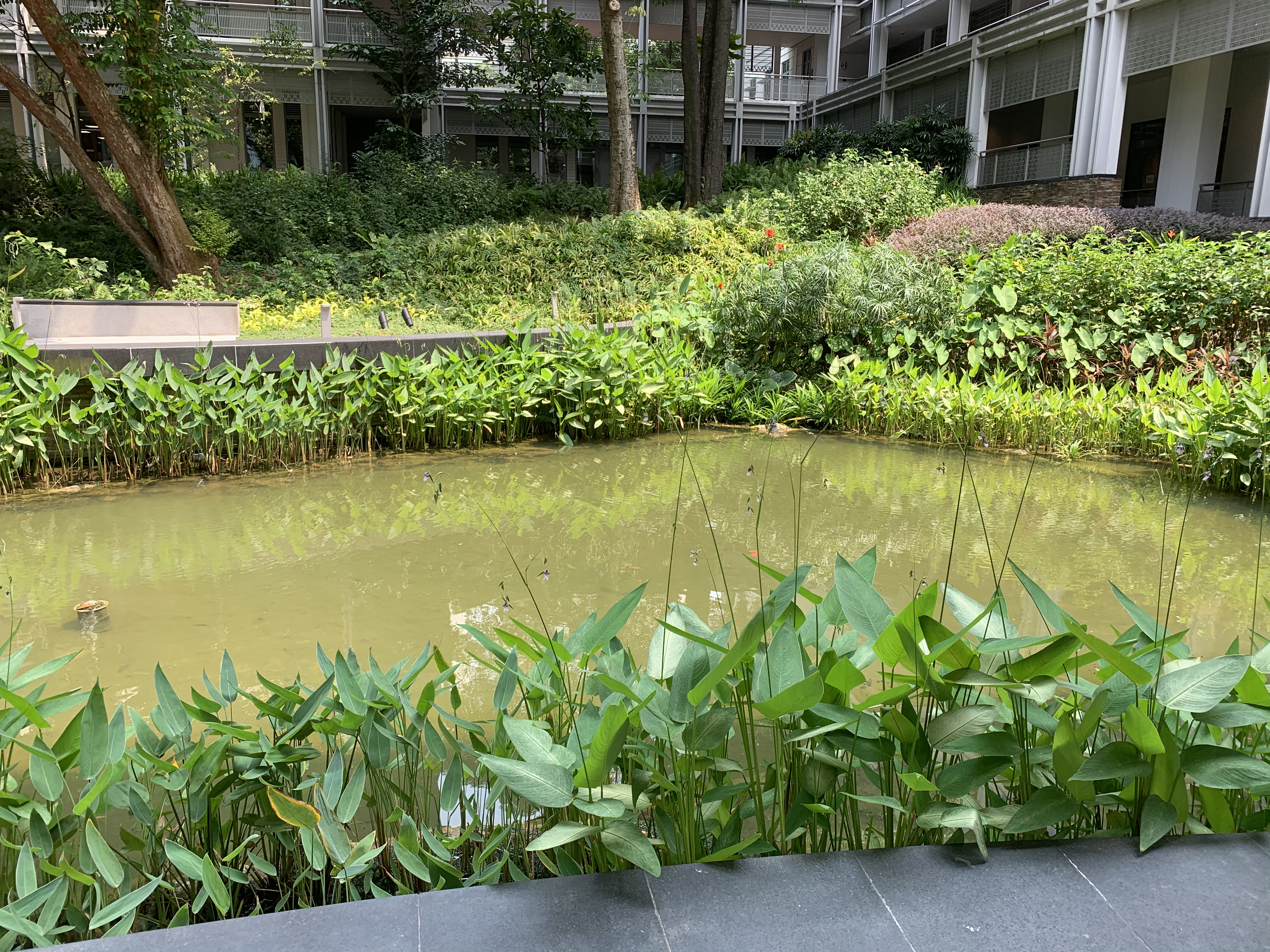
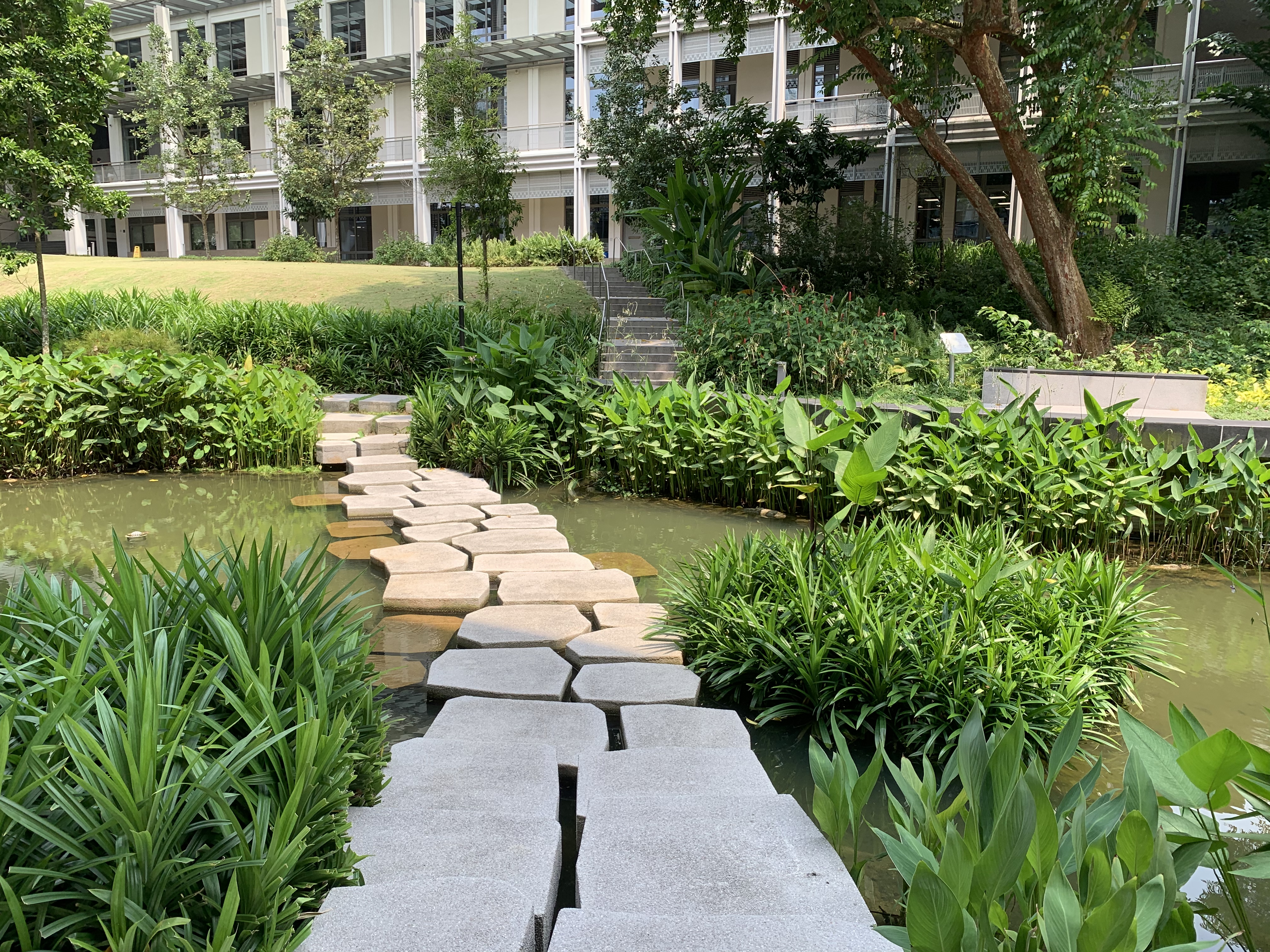
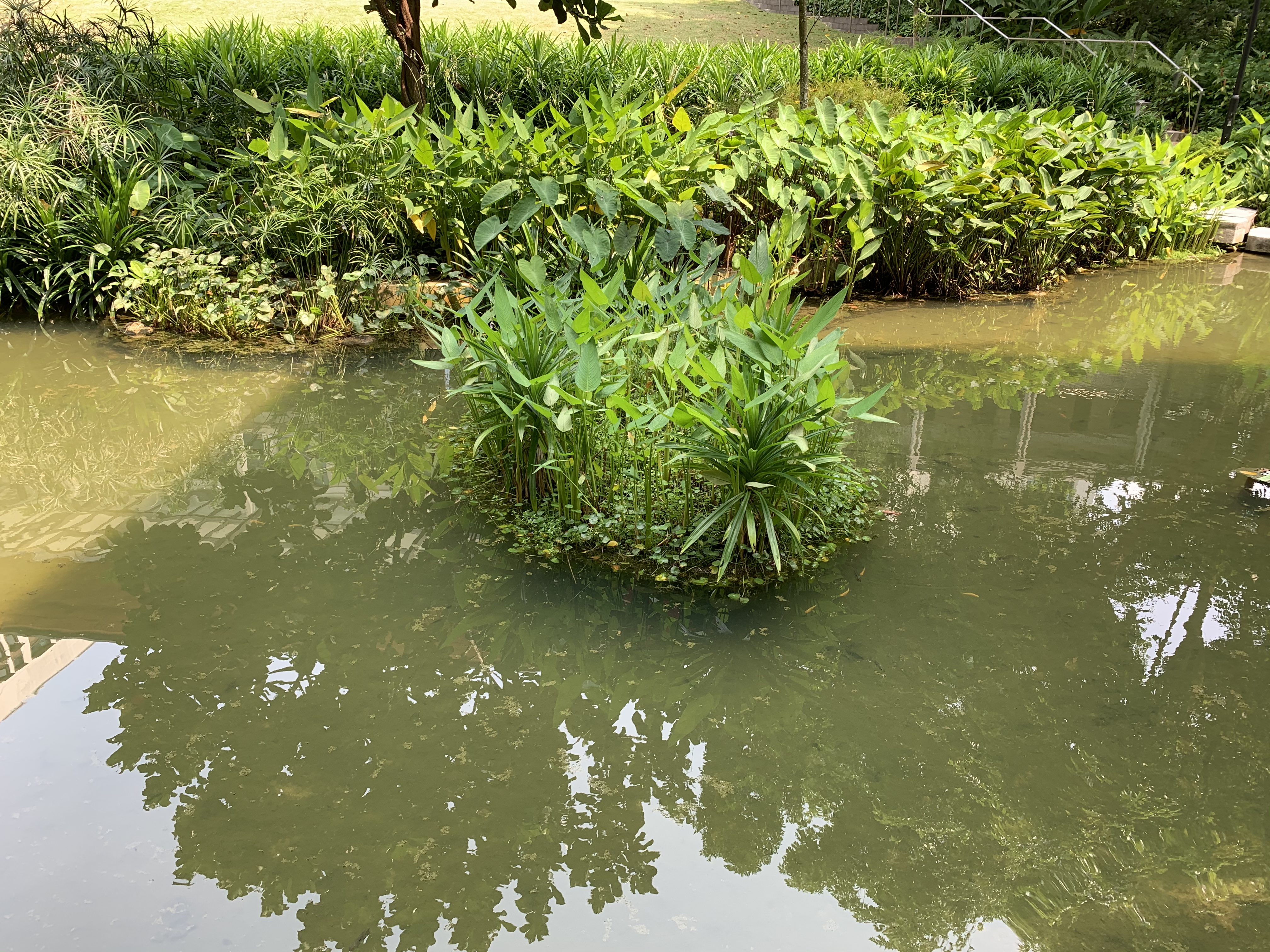
Some very interesting fish (South American cichlids?) at the Yale-NUS Eco-pond. It is quite an unknown place, located deep inside U-Town. Not many people know of its existence. Do check it out if you pass by NUS.

At around the 1:45 mark in the video, you can see some juvenile cichlids eating algae growing on the rock.

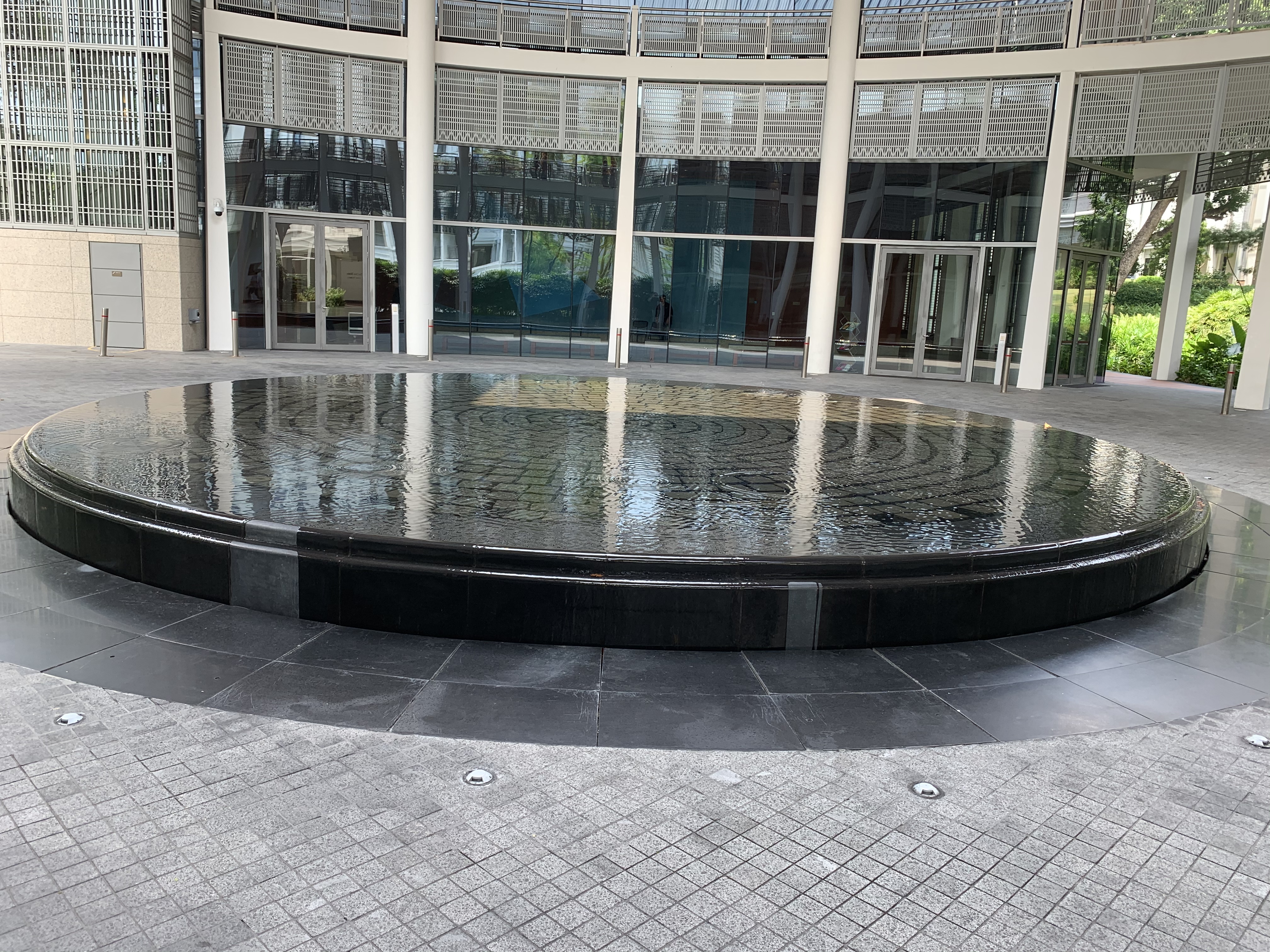
Some photos of the Yale-NUS Ecopond:

The pond is behind this large circular fountain.


There is also this rare tree (supposedly the only one in Singapore) right behind the pond, called “Margaritaria indica”. I think only expert botanists can tell what is so special about this tree. To laymen (like me), it looks like any ordinary tree.

How to make work-life balance work (TED talk)

Quotes from the talk:

  • “People are working long hard hours at jobs they hate, to earn money to buy things they don’t need, to impress people they don’t like”

A book by the same speaker:


Fat, Forty, and Fired: One Man’s Frank, Funny, and Inspiring Account of Losing His Job and Finding His Life

Amazing method to unblock stuffy nose

Added another great way to unblock nose. This is a new method called Nasal Septum Mobilization invented by Dr Alan Mandell.

mathtuition88's avatarMathtuition88

Out of all the methods I checked on YouTube, this method seems to be the most effective in terms of instantly unblocking your nose.

Basically pinch your nose and sway, until you are almost out of breath, then breath in through your nose. I find it very effective.

This method is very good also: Nasal Septum Mobilization invented by Dr Alan Mandell. It is quite a novel method, so far I have only seen it on his YouTube channel and not anywhere else. I think it may work for people with Deviated Septum as a natural remedy. Basically, the way it works is by moving the septum so as to create a “motion” to unblock the nose.

View original post