
Math Blog
Clash of Clans Math: Mortar Damage Per Hit
Today, we will use Math to calculate the Mortar Damage (Per Hit) for the popular game Clash of Clans!


Reference: http://clashofclans.wikia.com/wiki/Mortar
The formula needed is Damage per second (DPS) = Damage / Time.
Hence, Damage = DPS x Time!
The Mortar takes 5 seconds to fire. Hence, take the DPS reading from the game, and multiply it by 5, and you will get the actual damage done by the Mortar!
For instance, Mortar Level 1 has 4 DPS. Hence, each shot does 4×5=20 damage.
The full stats are listed here:
| Level | Damage per Second | Damage per Shot |
|---|---|---|
| 1 | 4 | 20 |
| 2 | 5 | 25 |
| 3 | 6 | 30 |
| 4 | 7 | 35 |
| 5 | 8 | 40 |
| 6 | 9 | 45 |
| 7 | 11 | 55 |
| 8 | 13 | 65 |
Subscribe to our free newsletter, for updates on Math, Education and other General Knowledge topics!
Kinematics
Distance = Speed x Time
Time = Distance / Speed
Speed = Distance / Time
Distance-time graph
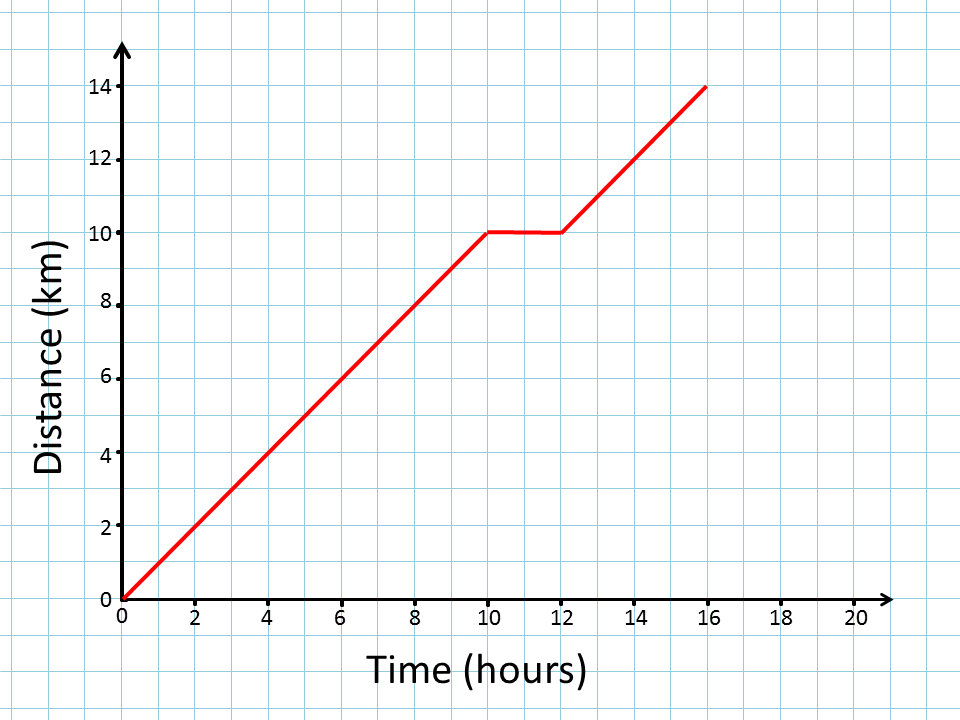
Speed = gradient
Remember Formula Using Units E.g.
Units of speed = km/h
Units of gradient = km/h
Speed-time graph
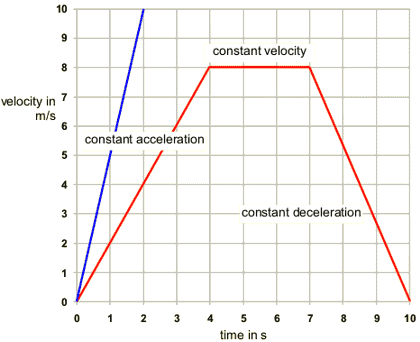
Distance travelled = Area under graph
Acceleration = gradient
Remember Formula using Units: E.g.
Units of distance = m
Units of area under graph = (m/s)s=m
Units of acceleration =

Units of gradient = (m/s)/s=
Useful Formula:
Area of trapezium = 1/2 x height x (sum of parallel sides)
The formula rhymes! 🙂
100 Chicken and Rabbit Questions and Answers
Questions: (Answers Below)
Generated using: Chicken and Rabbit Question Generator
Q1) A farmer has 35 chickens and cows in total.
He counted 108 legs altogether.
How many chickens and how many cows are there?
Q2) A farmer has 45 ducks and horses in total.
He counted 140 legs altogether.
How many ducks and how many horses are there?
Q3) A farmer has 6 chickens and cows in total.
He counted 20 legs altogether.
How many chickens and how many cows are there?
Q4) A farmer has 24 chickens and horses in total.
He counted 70 legs altogether.
How many chickens and how many horses are there?
Q5) A farmer has 33 chickens and horses in total.
He counted 84 legs altogether.
How many chickens and how many horses are there?
Q6) A farmer has 23 ducks and rabbits in total.
He counted 86 legs altogether.
How many ducks and how many rabbits are there?
Q7) A farmer has 31 chickens and cows in total.
He counted 96 legs altogether.
How many chickens and how many cows are there?
Q8) A farmer has 26 ducks and cows in total.
He counted 98 legs altogether.
How many ducks and how many cows are there?
Q9) A farmer has 25 chickens and rabbits in total.
He counted 80 legs altogether.
How many chickens and how many rabbits are there?
Q10) A farmer has 29 ducks and horses in total.
He counted 84 legs altogether.
How many ducks and how many horses are there?
Q11) A farmer has 24 chickens and horses in total.
He counted 62 legs altogether.
How many chickens and how many horses are there?
Q12) A farmer has 28 ducks and cows in total.
He counted 76 legs altogether.
How many ducks and how many cows are there?
Q13) A farmer has 27 chickens and cows in total.
He counted 104 legs altogether.
How many chickens and how many cows are there?
Q14) A farmer has 34 chickens and cows in total.
He counted 112 legs altogether.
How many chickens and how many cows are there?
Q15) A farmer has 39 chickens and cows in total.
He counted 124 legs altogether.
How many chickens and how many cows are there?
Q16) A farmer has 35 ducks and rabbits in total.
He counted 84 legs altogether.
How many ducks and how many rabbits are there?
Q17) A farmer has 30 chickens and rabbits in total.
He counted 76 legs altogether.
How many chickens and how many rabbits are there?
Q18) A farmer has 33 chickens and rabbits in total.
He counted 96 legs altogether.
How many chickens and how many rabbits are there?
Q19) A farmer has 31 ducks and cows in total.
He counted 68 legs altogether.
How many ducks and how many cows are there?
Q20) A farmer has 30 ducks and cows in total.
He counted 106 legs altogether.
How many ducks and how many cows are there?
Q21) A farmer has 11 ducks and horses in total.
He counted 26 legs altogether.
How many ducks and how many horses are there?
Q22) A farmer has 31 chickens and cows in total.
He counted 120 legs altogether.
How many chickens and how many cows are there?
Q23) A farmer has 46 ducks and cows in total.
He counted 150 legs altogether.
How many ducks and how many cows are there?
Q24) A farmer has 21 chickens and horses in total.
He counted 66 legs altogether.
How many chickens and how many horses are there?
Q25) A farmer has 55 ducks and horses in total.
He counted 164 legs altogether.
How many ducks and how many horses are there?
Q26) A farmer has 44 ducks and rabbits in total.
He counted 120 legs altogether.
How many ducks and how many rabbits are there?
Q27) A farmer has 36 ducks and cows in total.
He counted 94 legs altogether.
How many ducks and how many cows are there?
Q28) A farmer has 20 chickens and rabbits in total.
He counted 48 legs altogether.
How many chickens and how many rabbits are there?
Q29) A farmer has 37 ducks and cows in total.
He counted 128 legs altogether.
How many ducks and how many cows are there?
Q30) A farmer has 15 ducks and rabbits in total.
He counted 34 legs altogether.
How many ducks and how many rabbits are there?
Q31) A farmer has 25 chickens and cows in total.
He counted 90 legs altogether.
How many chickens and how many cows are there?
Q32) A farmer has 12 ducks and rabbits in total.
He counted 46 legs altogether.
How many ducks and how many rabbits are there?
Q33) A farmer has 47 ducks and cows in total.
He counted 150 legs altogether.
How many ducks and how many cows are there?
Q34) A farmer has 20 ducks and cows in total.
He counted 54 legs altogether.
How many ducks and how many cows are there?
Q35) A farmer has 45 ducks and rabbits in total.
He counted 132 legs altogether.
How many ducks and how many rabbits are there?
Q36) A farmer has 18 ducks and horses in total.
He counted 48 legs altogether.
How many ducks and how many horses are there?
Q37) A farmer has 17 chickens and horses in total.
He counted 64 legs altogether.
How many chickens and how many horses are there?
Q38) A farmer has 48 ducks and rabbits in total.
He counted 154 legs altogether.
How many ducks and how many rabbits are there?
Q39) A farmer has 37 chickens and horses in total.
He counted 106 legs altogether.
How many chickens and how many horses are there?
Q40) A farmer has 23 ducks and horses in total.
He counted 46 legs altogether.
How many ducks and how many horses are there?
Q41) A farmer has 34 chickens and cows in total.
He counted 92 legs altogether.
How many chickens and how many cows are there?
Q42) A farmer has 20 chickens and rabbits in total.
He counted 58 legs altogether.
How many chickens and how many rabbits are there?
Q43) A farmer has 31 ducks and cows in total.
He counted 118 legs altogether.
How many ducks and how many cows are there?
Q44) A farmer has 26 ducks and rabbits in total.
He counted 96 legs altogether.
How many ducks and how many rabbits are there?
Q45) A farmer has 23 ducks and horses in total.
He counted 84 legs altogether.
How many ducks and how many horses are there?
Q46) A farmer has 34 chickens and horses in total.
He counted 80 legs altogether.
How many chickens and how many horses are there?
Q47) A farmer has 51 ducks and cows in total.
He counted 156 legs altogether.
How many ducks and how many cows are there?
Q48) A farmer has 18 chickens and horses in total.
He counted 50 legs altogether.
How many chickens and how many horses are there?
Q49) A farmer has 8 chickens and horses in total.
He counted 18 legs altogether.
How many chickens and how many horses are there?
Q50) A farmer has 45 ducks and cows in total.
He counted 124 legs altogether.
How many ducks and how many cows are there?
Q51) A farmer has 28 chickens and horses in total.
He counted 100 legs altogether.
How many chickens and how many horses are there?
Q52) A farmer has 21 ducks and cows in total.
He counted 66 legs altogether.
How many ducks and how many cows are there?
Q53) A farmer has 19 ducks and rabbits in total.
He counted 70 legs altogether.
How many ducks and how many rabbits are there?
Q54) A farmer has 45 ducks and cows in total.
He counted 132 legs altogether.
How many ducks and how many cows are there?
Q55) A farmer has 17 chickens and rabbits in total.
He counted 48 legs altogether.
How many chickens and how many rabbits are there?
Q56) A farmer has 28 chickens and cows in total.
He counted 86 legs altogether.
How many chickens and how many cows are there?
Q57) A farmer has 41 chickens and cows in total.
He counted 122 legs altogether.
How many chickens and how many cows are there?
Q58) A farmer has 21 ducks and rabbits in total.
He counted 68 legs altogether.
How many ducks and how many rabbits are there?
Q59) A farmer has 11 chickens and rabbits in total.
He counted 30 legs altogether.
How many chickens and how many rabbits are there?
Q60) A farmer has 29 chickens and horses in total.
He counted 116 legs altogether.
How many chickens and how many horses are there?
Q61) A farmer has 24 chickens and cows in total.
He counted 52 legs altogether.
How many chickens and how many cows are there?
Q62) A farmer has 39 chickens and rabbits in total.
He counted 130 legs altogether.
How many chickens and how many rabbits are there?
Q63) A farmer has 23 ducks and rabbits in total.
He counted 54 legs altogether.
How many ducks and how many rabbits are there?
Q64) A farmer has 30 ducks and cows in total.
He counted 104 legs altogether.
How many ducks and how many cows are there?
Q65) A farmer has 16 ducks and horses in total.
He counted 32 legs altogether.
How many ducks and how many horses are there?
Q66) A farmer has 19 chickens and rabbits in total.
He counted 50 legs altogether.
How many chickens and how many rabbits are there?
Q67) A farmer has 52 chickens and cows in total.
He counted 156 legs altogether.
How many chickens and how many cows are there?
Q68) A farmer has 33 chickens and rabbits in total.
He counted 108 legs altogether.
How many chickens and how many rabbits are there?
Q69) A farmer has 55 ducks and rabbits in total.
He counted 168 legs altogether.
How many ducks and how many rabbits are there?
Q70) A farmer has 38 chickens and horses in total.
He counted 112 legs altogether.
How many chickens and how many horses are there?
Q71) A farmer has 42 ducks and rabbits in total.
He counted 110 legs altogether.
How many ducks and how many rabbits are there?
Q72) A farmer has 26 ducks and horses in total.
He counted 60 legs altogether.
How many ducks and how many horses are there?
Q73) A farmer has 39 ducks and rabbits in total.
He counted 104 legs altogether.
How many ducks and how many rabbits are there?
Q74) A farmer has 36 chickens and rabbits in total.
He counted 86 legs altogether.
How many chickens and how many rabbits are there?
Q75) A farmer has 14 chickens and cows in total.
He counted 38 legs altogether.
How many chickens and how many cows are there?
Q76) A farmer has 37 chickens and cows in total.
He counted 128 legs altogether.
How many chickens and how many cows are there?
Q77) A farmer has 39 ducks and cows in total.
He counted 102 legs altogether.
How many ducks and how many cows are there?
Q78) A farmer has 54 ducks and cows in total.
He counted 158 legs altogether.
How many ducks and how many cows are there?
Q79) A farmer has 20 chickens and rabbits in total.
He counted 74 legs altogether.
How many chickens and how many rabbits are there?
Q80) A farmer has 47 ducks and rabbits in total.
He counted 134 legs altogether.
How many ducks and how many rabbits are there?
Q81) A farmer has 25 chickens and rabbits in total.
He counted 70 legs altogether.
How many chickens and how many rabbits are there?
Q82) A farmer has 42 ducks and horses in total.
He counted 136 legs altogether.
How many ducks and how many horses are there?
Q83) A farmer has 41 ducks and rabbits in total.
He counted 128 legs altogether.
How many ducks and how many rabbits are there?
Q84) A farmer has 10 ducks and cows in total.
He counted 20 legs altogether.
How many ducks and how many cows are there?
Q85) A farmer has 34 ducks and horses in total.
He counted 116 legs altogether.
How many ducks and how many horses are there?
Q86) A farmer has 28 chickens and cows in total.
He counted 78 legs altogether.
How many chickens and how many cows are there?
Q87) A farmer has 12 ducks and rabbits in total.
He counted 32 legs altogether.
How many ducks and how many rabbits are there?
Q88) A farmer has 26 chickens and horses in total.
He counted 82 legs altogether.
How many chickens and how many horses are there?
Q89) A farmer has 20 ducks and cows in total.
He counted 70 legs altogether.
How many ducks and how many cows are there?
Q90) A farmer has 42 ducks and cows in total.
He counted 128 legs altogether.
How many ducks and how many cows are there?
Q91) A farmer has 15 ducks and cows in total.
He counted 42 legs altogether.
How many ducks and how many cows are there?
Q92) A farmer has 46 chickens and horses in total.
He counted 132 legs altogether.
How many chickens and how many horses are there?
Q93) A farmer has 23 chickens and horses in total.
He counted 46 legs altogether.
How many chickens and how many horses are there?
Q94) A farmer has 27 ducks and cows in total.
He counted 98 legs altogether.
How many ducks and how many cows are there?
Q95) A farmer has 40 ducks and horses in total.
He counted 134 legs altogether.
How many ducks and how many horses are there?
Q96) A farmer has 35 chickens and horses in total.
He counted 122 legs altogether.
How many chickens and how many horses are there?
Q97) A farmer has 24 chickens and horses in total.
He counted 96 legs altogether.
How many chickens and how many horses are there?
Q98) A farmer has 22 ducks and rabbits in total.
He counted 80 legs altogether.
How many ducks and how many rabbits are there?
Q99) A farmer has 11 chickens and cows in total.
He counted 36 legs altogether.
How many chickens and how many cows are there?
Q100) A farmer has 26 chickens and horses in total.
He counted 60 legs altogether.
How many chickens and how many horses are there?
Answers:
Q1) chickens=16
cows=19
Q2) ducks=20
horses=25
Q3) chickens=2
cows=4
Q4) chickens=13
horses=11
Q5) chickens=24
horses=9
Q6) ducks=3
rabbits=20
Q7) chickens=14
cows=17
Q8) ducks=3
cows=23
Q9) chickens=10
rabbits=15
Q10) ducks=16
horses=13
Q11) chickens=17
horses=7
Q12) ducks=18
cows=10
Q13) chickens=2
cows=25
Q14) chickens=12
cows=22
Q15) chickens=16
cows=23
Q16) ducks=28
rabbits=7
Q17) chickens=22
rabbits=8
Q18) chickens=18
rabbits=15
Q19) ducks=28
cows=3
Q20) ducks=7
cows=23
Q21) ducks=9
horses=2
Q22) chickens=2
cows=29
Q23) ducks=17
cows=29
Q24) chickens=9
horses=12
Q25) ducks=28
horses=27
Q26) ducks=28
rabbits=16
Q27) ducks=25
cows=11
Q28) chickens=16
rabbits=4
Q29) ducks=10
cows=27
Q30) ducks=13
rabbits=2
Q31) chickens=5
cows=20
Q32) ducks=1
rabbits=11
Q33) ducks=19
cows=28
Q34) ducks=13
cows=7
Q35) ducks=24
rabbits=21
Q36) ducks=12
horses=6
Q37) chickens=2
horses=15
Q38) ducks=19
rabbits=29
Q39) chickens=21
horses=16
Q40) ducks=23
horses=0
Q41) chickens=22
cows=12
Q42) chickens=11
rabbits=9
Q43) ducks=3
cows=28
Q44) ducks=4
rabbits=22
Q45) ducks=4
horses=19
Q46) chickens=28
horses=6
Q47) ducks=24
cows=27
Q48) chickens=11
horses=7
Q49) chickens=7
horses=1
Q50) ducks=28
cows=17
Q51) chickens=6
horses=22
Q52) ducks=9
cows=12
Q53) ducks=3
rabbits=16
Q54) ducks=24
cows=21
Q55) chickens=10
rabbits=7
Q56) chickens=13
cows=15
Q57) chickens=21
cows=20
Q58) ducks=8
rabbits=13
Q59) chickens=7
rabbits=4
Q60) chickens=0
horses=29
Q61) chickens=22
cows=2
Q62) chickens=13
rabbits=26
Q63) ducks=19
rabbits=4
Q64) ducks=8
cows=22
Q65) ducks=16
horses=0
Q66) chickens=13
rabbits=6
Q67) chickens=26
cows=26
Q68) chickens=12
rabbits=21
Q69) ducks=26
rabbits=29
Q70) chickens=20
horses=18
Q71) ducks=29
rabbits=13
Q72) ducks=22
horses=4
Q73) ducks=26
rabbits=13
Q74) chickens=29
rabbits=7
Q75) chickens=9
cows=5
Q76) chickens=10
cows=27
Q77) ducks=27
cows=12
Q78) ducks=29
cows=25
Q79) chickens=3
rabbits=17
Q80) ducks=27
rabbits=20
Q81) chickens=15
rabbits=10
Q82) ducks=16
horses=26
Q83) ducks=18
rabbits=23
Q84) ducks=10
cows=0
Q85) ducks=10
horses=24
Q86) chickens=17
cows=11
Q87) ducks=8
rabbits=4
Q88) chickens=11
horses=15
Q89) ducks=5
cows=15
Q90) ducks=20
cows=22
Q91) ducks=9
cows=6
Q92) chickens=26
horses=20
Q93) chickens=23
horses=0
Q94) ducks=5
cows=22
Q95) ducks=13
horses=27
Q96) chickens=9
horses=26
Q97) chickens=0
horses=24
Q98) ducks=4
rabbits=18
Q99) chickens=4
cows=7
Q100) chickens=22
horses=4
Beauty of Mathematics (Video)
The Power of Maths
Nice post about “The Power of Maths”

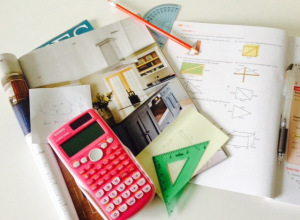 My kids have invented a number called “one-finity”. It seems to be bigger than any other number they know but still finite, so they could theoretically have one-finity chocolate bars or one-finity birthday presents. It’s a word I hear frequently and I wonder if they’ll eventually brainwash me into using it.
Recently I’ve been thinking a lot about maths education. How can we improve students’ experience? Are the majority of students leaving with maths skills relevant to their future plans? Are we explaining why the techniques we teach are useful? The list goes on.
Despite recent suggestions in the media, there is one thing I have never questioned: if maths is worth teaching to everyone. I believe teaching maths is as essential as teaching a child to read. Whether we are buying groceries, choosing medical treatment, taking out a pension, reading a news article or refitting a kitchen, our lives…
View original post 129 more words
Quantum Groups
The subject of quantum groups is a fascinating and new area of mathematics.
The term “quantum groups” was first introduced by Vladimir Drinfeld in the 1980s. There is no formal definition for the term “quantum groups”, but in general it stands for certain special Hopf algebras.
In some of the literature, a quantum group is defined as a noncommutative and noncocommutative Hopf algebra.
Quantum groups have close connections with many areas of mathematics and physics.
A starting approach is to study the theory of quantum groups, and related topics like Hopf algebras. An example can be as follows.
Chapter 1 introduces the definition of Hopf algebras and its properties.
Chapter 2 focuses on the theory of quantum groups. Chapter 3 includes examples of quantum groups, with some examples from physics.
The main reference for the project can be Quantum Groups by C. Kassel ([2]).
For a project, one can refer to Part One of the book, from Chapter I to VII. Before researching on quantum groups, one can also study Hopf algebras, including viewing online lectures by F. Ardila ([3]).
A good project topic is to study and write a summary and a brief introduction to the vast subject of quantum groups.
Ampere’s Law Project
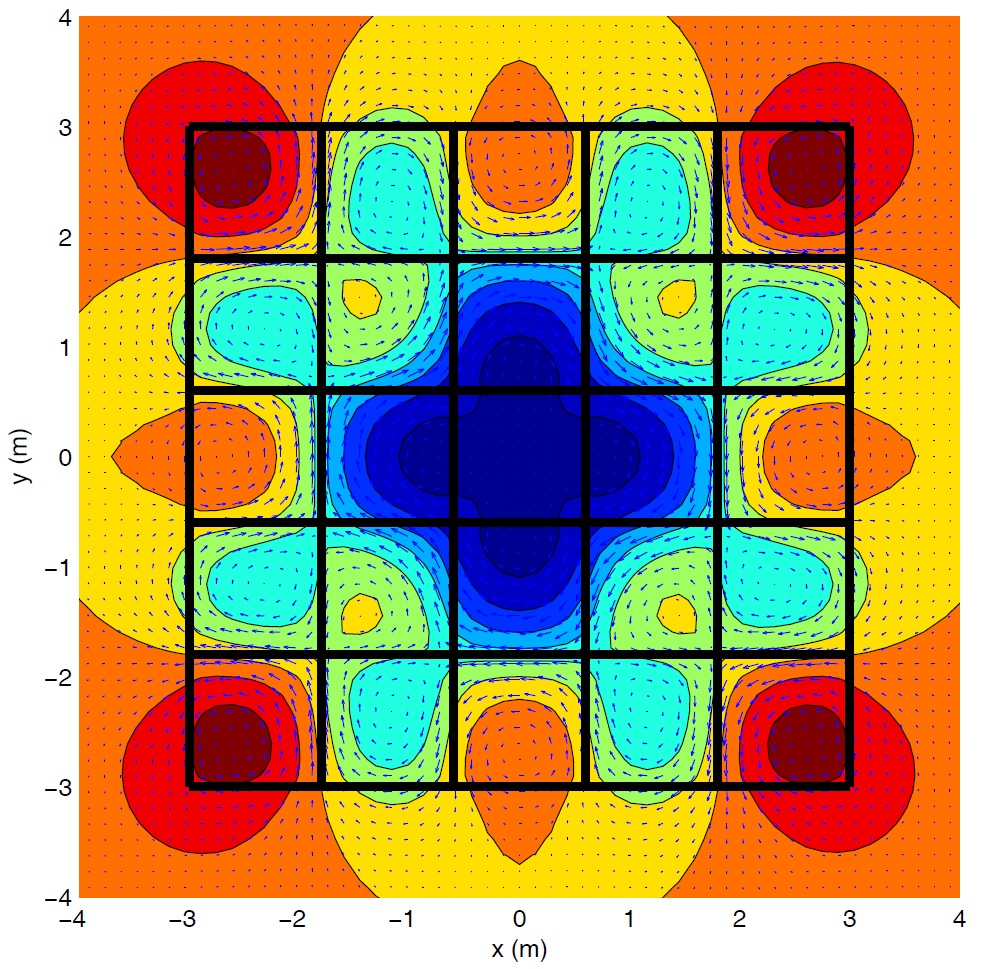
In this project, we investigate Ampere’s Law by considering a 2D problem
with the axis of the wire perpendicular to the plane. We calculate the magnetic potential 
Later, we generalize the approach to two wires with parallel currents and
antiparallel currents.
Finally, we adapt the code to plot for three wires, wire of other shapes
(
For the 5×5 grid of wires, we consider a case whereby each wire is
switched on one at a time, in a certain pattern. The objective is to observe
the interactions of magnetic fields.
Primes and prime factorisation
Prime numbers are numbers that only have two factors, one and itself.
Examples of prime numbers are 2, 3, 5, 7, 11, 13, ….
Note: 1 is NOT a Prime number!!
Perfect squares and perfect cubes
For a perfect square’s prime factorisation, each factor is to the power of a multiple of 2.
For a perfect cube’s prime factorisation, each factor is to the power of a multiple of 3.
HCF & LCM
HCF, or Highest Common Factor, is the greatest common factor between two numbers.
LCM, or Lowest Common Multiple, is the smallest common multiple between two numbers.
Laws of Indices
Check out: Indices and Logarithm Laws

PSLE Exam Dates
Source: http://www.seab.gov.sg/examCalendar.html
Please double check with the above source for confirmation!
| 2014 PSLE EXAMINATION CALENDAR (TENTATIVE) Registration | Mon, 10 March – Fri, 28 March 2014
|
| Oral Examination | Thu, 14 August – Fri, 15 August 2014
|
| Listening Comprehension | Fri, 19 September 2014
|
| Written Examination
|
Thu, 25 September – Wed, 01 October 2014
|
| Marking Exercise | Tue, 14 October – Fri, 17 October 2014
|
O Level Exam Dates
Source: http://www.seab.gov.sg/examCalendar.html
Please double-check with the above source for confirmation!
| (TENTATIVE) Registration | |
| School Candidates
|
Mon, 24 February – Fri, 7 March
|
|
Private Candidates
|
Mon, 10 March – Tue, 25 March
|
| Oral Examination
|
|
| EL
|
Thu, 14 August – Thu, 28 August
|
|
CL / ML / TL
|
Fri, 4 July – Fri, 18 July
|
|
CL / ML (Special Programme)
|
Mon, 11 August – Tue, 12 August
|
|
Arabic as 3rd Language / Bahasa Indonesia as 3rd Language
|
Mon, 11 August – Wed, 13 August
|
|
CLB / MLB / TLB (Mid-Year)
|
Thu, 3 July
|
|
CLB / MLB / TLB (Year-End)
|
Fri, 26 September
|
|
Foreign Languages
|
Tue, 30 September – Tue, 7 October
|
| Listening Comprehension (LC)
|
|
| CL / ML / TL
|
Tue, 22 July
|
|
CLB / MLB / TLB (Mid-Year)
|
Tue, 22 July
|
| Practical Examination
|
|
| Science
|
Tue, 7 October – Thu, 16 October
|
| Music Performing
|
Tue, 23 September – Thu, 25 September
|
| Written Examination
|
|
| Mid-Year CL/ML/TL Exam
|
Mon, 2 June
|
|
Mid-Year CLB/MLB/TLB Exam
|
Tue, 3 June
|
|
End of Year Exam
|
Mon, 20 October – Fri, 14 November
|
Design and Technology tuition
For other subjects besides Mathematics, request for a tutor at Startutor! Startutor is Singapore’s most popular online agency, providing tutors to your home. There are no extra costs for making a request. (Website: http://startutor.sg/request,wwcsmt)
Startutor is suitable for English Tuition, Social Studies Tuition, Geography Tuition, Physics Tuition, Chemistry Tuition, Biology Tuition, Chinese Tuition, Economics Tuition and more!
General Paper (GP) Tuition
For other subjects besides Mathematics, request for a tutor at Startutor! Startutor is Singapore’s most popular online agency, providing tutors to your home. There are no extra costs for making a request. (Website: http://startutor.sg/request,wwcsmt)
Startutor is suitable for English Tuition, Social Studies Tuition, Geography Tuition, Physics Tuition, Chemistry Tuition, Biology Tuition, Chinese Tuition, Economics Tuition and more!
Economics Tuition
For other subjects besides Mathematics, request for a tutor at Startutor! Startutor is Singapore’s most popular online agency, providing tutors to your home. There are no extra costs for making a request. (Website: http://startutor.sg/request,wwcsmt)
Startutor is suitable for English Tuition, Social Studies Tuition, Geography Tuition, Physics Tuition, Chemistry Tuition, Biology Tuition, Chinese Tuition, Economics Tuition and more!
Chinese Tuition 华文补习
For other subjects besides Mathematics, request for a tutor at Startutor! Startutor is Singapore’s most popular online agency, providing tutors to your home. There are no extra costs for making a request. (Website: http://startutor.sg/request,wwcsmt)
Startutor is suitable for English Tuition, Social Studies Tuition, Geography Tuition, Physics Tuition, Chemistry Tuition, Biology Tuition, Chinese Tuition, Economics Tuition and more!
Biology Tuition
For other subjects besides Mathematics, request for a tutor at Startutor! Startutor is Singapore’s most popular online agency, providing tutors to your home. There are no extra costs for making a request. (Website: http://startutor.sg/request,wwcsmt)
Startutor is suitable for English Tuition, Social Studies Tuition, Geography Tuition, Physics Tuition, Chemistry Tuition, Biology Tuition, Chinese Tuition, Economics Tuition and more!
Chemistry Tuition
For other subjects besides Mathematics, request for a tutor at Startutor! Startutor is Singapore’s most popular online agency, providing tutors to your home. There are no extra costs for making a request. (Website: http://startutor.sg/request,wwcsmt)
Startutor is suitable for English Tuition, Social Studies Tuition, Geography Tuition, Physics Tuition, Chemistry Tuition, Biology Tuition, Chinese Tuition, Economics Tuition and more!
Physics Tuition
For other subjects besides Mathematics, request for a tutor at Startutor! Startutor is Singapore’s most popular online agency, providing tutors to your home. There are no extra costs for making a request. (Website: http://startutor.sg/request,wwcsmt)
Startutor is suitable for English Tuition, Social Studies Tuition, Geography Tuition, Physics Tuition, Chemistry Tuition, Biology Tuition, Chinese Tuition, Economics Tuition and more!
Geography Tuition
For other subjects besides Mathematics, request for a tutor at Startutor! Startutor is Singapore’s most popular online agency, providing tutors to your home. There are no extra costs for making a request. (Website: http://startutor.sg/request,wwcsmt)
Startutor is suitable for English Tuition, Social Studies Tuition, Geography Tuition, Physics Tuition, Chemistry Tuition, Biology Tuition, Chinese Tuition, Economics Tuition and more!
Social Studies Tuition
For other subjects besides Mathematics, request for a tutor at Startutor! Startutor is Singapore’s most popular online agency, providing tutors to your home. There are no extra costs for making a request. (Website: http://startutor.sg/request,wwcsmt)
Startutor is suitable for English Tuition, Social Studies Tuition, Geography Tuition, Physics Tuition, Chemistry Tuition, Biology Tuition, Chinese Tuition, Economics Tuition and more!
English Tuition
For other subjects besides Mathematics, request for a tutor at Startutor! Startutor is Singapore’s most popular online agency, providing tutors to your home. There are no extra costs for making a request. (Website: http://startutor.sg/request,wwcsmt)
Startutor is suitable for English Tuition, Social Studies Tuition, Geography Tuition, Physics Tuition, Chemistry Tuition, Biology Tuition, Chinese Tuition, Economics Tuition and more!
Differentiation Rules
Today, we will recap the four basic rules of Differentiation:
- Differentiating Powers of x

(Power comes down, and the remaining power reduced by 1)
- Chain Rule (i.e. times differentiate inside the bracket)
- Product Rule
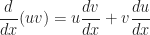
(Keep the first term X differentiate the second, PLUS keep the second term X differentiate the first)
- Quotient Rule
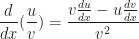
(Keep the bottom term differentiate the top MINUS keep the top differentiate the bottom, whole thing over 
Maths- Tessellations, rotational symmetry and art

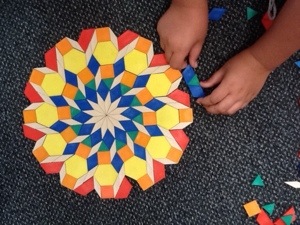
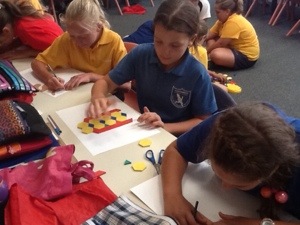
This week the students have been learning a bit about geometric properties. We look at what symmetrical means and where we find it in real life. The students found out how to find lines of symmetry and what it means to have rotational symmetry. By looking at the work of MC Escher the students began making their own tessellating shape patterns using regular shapes and creating their own jigsaw pieces. The jigsaw pieces were made by drawing a random squiggle on one side of a square piece of card and then sticking it to the vertically opposite side. I hope you agree the work they have produced is pretty amazing!
History Included part 1
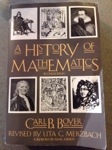

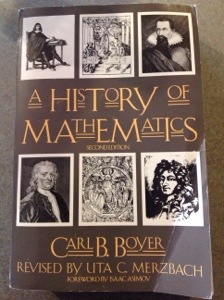
Doesn’t it seem like we should teach math with it’s history attached. Wouldn’t adding a historical perspective while teaching and learning about Mathematics help bring the concepts to life? Sometimes it’s hard to know the exact approach to include it and sometimes it’s hard because we are not very familiar with the history. And let’s face it, textbooks do a horrible job including the history, occasionally attaching mere tidbits here and there that usually are superficially related to the content on the surrounding pages.
I’m going to read, “A History of Mathematics,” by Carl Boyer to help me learn more of the history and get some perspective on including it in lessons. Hopefully I’ll come up with some great ideas about embedding historical motivation for the discovery of Mathematics into my teaching.
More to come….
Networked Blogs
| Blog: |
| Maths Tuition |
|
Topics:
|
| Singapore Math, Maths Tuition, Math Tuition |
//
The Beauty of Math
For your students’ sake: Don’t stop being a learner

Yesterday, we designed an Algebra II lesson using 3D modeling to derive the factored formula for difference of cubes. As we began to finish up, Sheila (@mrssheilaorr), the math teacher sitting beside me made a passing reference to being frustrated trying to prove the sum of cubes formula. Me, being a geometry teacher by trade decided to give it a try perhaps hoping to offer a fresh perspective. I mean, I was curious. It looked like this:
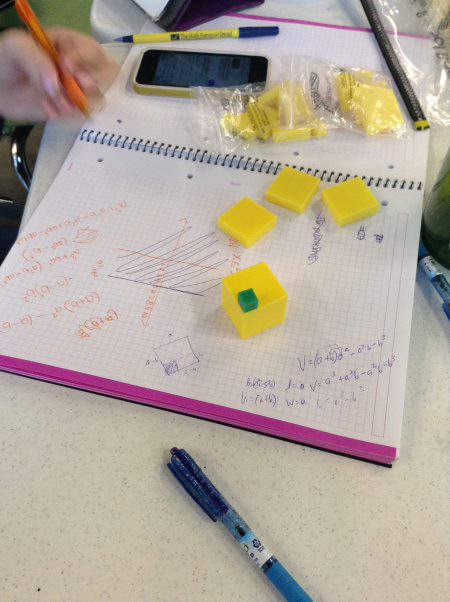
On the surface, it didn’t seem unapproachable. I quickly became frustrated as well. Most frustrating was the mutual feeling that we were so stinkin’ close to cracking the missing piece. Finally, Luann, a math teaching veteran sat down beside us, commented on her consistently getting stuck in the same spot we were stuck and then, as the three of us talked about it, the final piece fell in and it all made sense (it’s…
View original post 467 more words
Threes: A Simple and Addictive Grid-based Math Puzzle for iOS

Let’s be honest. One of the most dangerous things about trying new games every now and then on the iPhone or other iOS devices is that you risk finding something cheap and addictive that can seriously take away from your free time. And the fact that in most cases these games can be played using just one hand makes them even more fun.

View original post 397 more words
The Math Song (The Lazy Song-Bruno Mars) Parody
JC Cut Off Points (Latest)
Joint Admissions Exercise 2014
Source: http://nanyangjc.org/index.php/joint-admissions-exercise-2014/
Cut Off & Bonus Points
Applicants applying to enter NYJC must meet the entry criteria based on the L1R5 aggregate.For JAE, this aggregate is calculated from results obtained in the previous year’s Singapore-Cambridge GCE ‘O’ Level Examinations.Please note that the entry criteria changes from year to year and the following table should only be used as a guide.
MINIMUM L1R5 AGGREGATE [after bonus points deduction]
| FACULTY | ARTS | SCIENCE |
| JAE 2013 | 8 | 8 |
Source: http://www.ajc.edu.sg/admission/admission_jae.html
AJC Cut Off Points:
| FACULTY | ARTS | SCIENCE |
| JAE 2013 | 8 | 10 |
Free Resources for Higher Math

InteractiveMathematics
There is something for those who are learning everything from integers to higher (gulp) calculus here. There is also the option to download a variety of graph paper from the site as well. In addition to the examples, answers and explanations of a wide variety of math levels, there are also some games thrown in, just in case you didn’t get enough math fun in for the day. I love that this site, and all of the other free math sites exist, I just wish all of this free help had been around in my day…(sighs)
WolframMathWorld While this site is primarily geared toward higher math, it’s an invaluable resource to have “at the ready” for when your student (or you) venture into this level of mathematics. A worthy site to keep on hand!
The Study of Change

Calculus is the mathematical study of change. The way that we examine what happens at one point, and how things change when we examine the same concept somewhere else. Today we’re going to get a basic understanding of what Calculus is, what we can use it for and why it’s so scary.
According to Dr. Derek Martinez, a Math professor at UNM, Calculus classes have two purposes. The explicit purpose is to teach students how to do the math. The implicit purpose is to make engineering and medical students mentally stronger and intellectually prepared for future careers.
Many a student has made it through Algebra and Trigonometry classes only to be cut down to size by the dreaded Calc 1 or worse, Calc 2. When you meet a surprisingly smart Psych major, or a meticulously picky Foreign Languages major, that probably means they decided at some point that integrals are…
View original post 354 more words
Calculating Derivatives
100,000 views on WordPress
We have reached 100,000 views on our WordPress.com site: http://mathtuition88.com
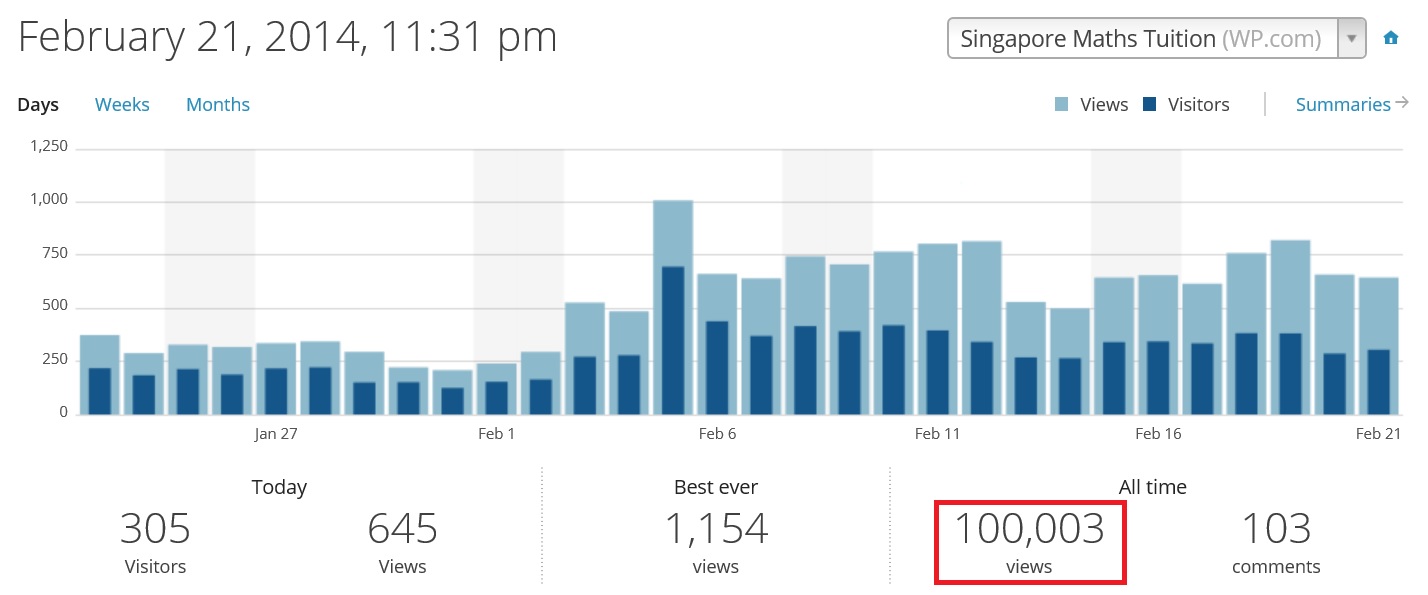
Sincere thanks to all the viewers and supporters! We will continue to post information about Mathematics, Education and General Knowledge on this website.
Subscribe to our free newsletter, for updates on Math, Education and other General Knowledge topics!
More Math Links
Purplemath
This site has everything from preliminary topics such as fractions and absolute value to the beginnings of trig. Each unit of study is broken up into groups/categories to help you zoom in on exactly what you need. A problem is shown, then the step-by-step explanation is given out beside it, with diagrams/drawings to go along with it where necessary. This site would be helpful for many, especially those going through any stage of learning algebra.
PatrickJMT Here you will find numerous math videos ranging from basic arithmetic to trigonometry, all provided for free. The videos are very clearly listed by categories, then more specific subcategories beneath. The site is very straightforward and easy to navigate, which is great when you are frustrated already and trying to find very specific help for a very specific math problem.
VisualFractions While this site is devoted to, you guessed it, fractions, it…
View original post 84 more words
If the World was a Village
Probability Formula
Formulae for Probability
Works for All Cases:
-
P(A∪B)=P(A)+P(B)-P(A∩B)
-
P(A|B)=
-
P(A’)=1-P(A)

For Mutually Exclusive Events Only:
-
P(A∩B)=0

For Independent Events Only:
-
P(A∩B)=P(A) P(B)
-
P(A|B)=P(A)
-
P(B|A)=P(B)
-
P(A’∩B)=P(A’) P(B)
-
P(A∩B’)=P(A) P(B’)
-
P(A’∩B’)=P(A’) P(B’)
This Week: STEM Subjects and Possibilities

STEM subjects are at the forefront of the media’s focus on education. What are they? It’s simple; Science, Technology, Engineering, and Mathematics. Why are they so important? Well, they’re the future of our world. These fields are making rapid advancements and needing more brain power to do so. (Which they’d have if not for the sexism that exists within these fields perpetuating the idea that women are not adept in such studies.) Besides that though, there is a need to generate interest in STEM subjects that has been greatly diminished by the social norm of finding them ‘uncool.’
There is, of course, great reward in entering these fields. Especially engineering, with some starting salaries higher than the median salary of my future career (clinical psychology). As shown by the chart I’ve attached, there is a much higher percentage of people earning more than those at an…
View original post 24 more words
NUS Past Year Paper
This is a list of websites related to NUS Past Year Paper:
1) Official NUS Past Year Exam Paper website: http://libguides.nus.edu.sg/content.php?pid=227106&sid=1896904
2) NUS Physics Society Past Year Paper: http://physics.nus.edu.sg/~physoc/pyp.html
3) NUS Maths Society Past Year Paper: http://www.nusmathsociety.org/pyp.html
COE Quota: Math Formula
Applications of Math in Real Life: COE Quota
Source: http://en.wikipedia.org/wiki/Certificate_of_Entitlement
The Formula for COE Quota is:

Quote: In the formula above, the subscript  denotes calendar year and the subscript
  denotes quota year (May to April). Initially, projected deregistrations for (calendar) year were simply taken to be equal to actual deregistrations in
  but from quota year 1999-2000 onwards, a projected number of deregistrations has been used.
Each year, the quota is set to allow for a targeted  percent growth in the total motor vehicle population, plus additional quota licenses to cover the number of motor vehicles that will be deregistered during the (calendar) year, plus any unallocated quota licenses from the previous quota year.
Read more at: http://en.wikipedia.org/wiki/Certificate_of_Entitlement
Technorati Blog Claim
HFHA4C8ZTVTE
Logic puzzle: Which octopus is telling the truth?
King Octopus has servants with six, seven, or eight legs. The servants with seven legs always lie, but the servants with either six or eight legs always tell the truth.
One day, four servants met. The blue one says, “Altogether, we have 28 legs.” The green one says, “Altogether, we have 27 legs.” The yellow one says, “Altogether, we have 26 legs.” The red one says, “Altogether, we have 25 legs.”
What is the colour of the servant who tells the truth?
Read the discussion at: http://math.stackexchange.com/questions/677495/logic-puzzle-which-octopus-is-telling-the-truth?newsletter=1&nlcode=97485%7cd140
Snooze button good or bad? (Education, Productivity Tip)
The snooze button – one of life’s luxuries. But is it really helping you out, or making you more tired?
After 400 years, mathematicians find a new class of shapes
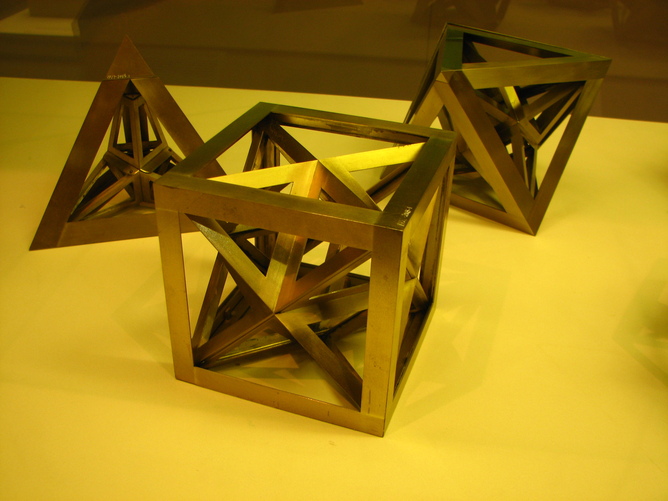

The works of the Greek polymath Plato have kept people busy for millennia. Mathematicians have long pondered Platonic solids, a collection of geometric forms that are highly regular and are frequently found in nature.
Platonic solids are generically termed equilateral convex polyhedra. In the millennia since Plato’s time, only two other collections of equilateral convex polyhedra have been found: Archimedean solids (including the truncated icosahedron) and Kepler solids (including rhombic polyhedra). Nearly 400 years after the last class was described, mathematicians claim that they may have now identified a new, fourth class, which they call Goldberg polyhedra. In the process of making this discovery, they think they’ve demonstrated that an infinite number of these solids could exist.
Platonic love for geometry
Equilateral convex polyhedra share a set of characteristics. First, each of the sides of the polyhedra needs to be the same length. Second, the shape must be completely solid—that…
View original post 783 more words
Online Math Resource Treasures

In staying with the same vein as last week, we wanted to share a few new math resources appropriate for middle and high school level.
1. Symbaloo – This is a bookmarking website that has real potential. We really like how visual it is! You can create a symbaloo for your students or parents of students of tutorial sites, virtual manipulative sites, and textbook sites. Or, you can create a symbaloo for your own organization of sites you frequent regularly. They can be organized on the board by color, icon, and location. It takes very little time to create. The math half of us started one called CCSS Math – Parvankin. It is full of math sites that are often referenced. And, not to be outdone, the Literacy half of us started one called CCSS Literacy – Elliot including Literacy Resources featured last week here, as well…
View original post 251 more words
5 Common Myths about Dyscalculia

Myth #1: All children with dyscalculia have the same difficulties with math.
Fact:Dyscalculia actually refers to a wide range of math issues, so your child’s trouble spots may be different from another child’s. For example, some kids with dyscalculia have a hard time with basic number concepts. Others have difficulty with the kind of visual-spatial thinking that’s needed for geometry. What most kids with dyscalculia have in common, though, is challenges remembering basic math facts and completing math problems.
Myth #2: Dyscalculia is another name for math anxiety.
Fact: Dyscalculia and math anxiety are not the same thing. It’s understandable that people confuse the two, though. It’s common for kids who struggle with math—like kids with dyscalculia—to become anxious about doing math homework or going to math class. Learn more about key differences between dyscalculia and math anxiety.
Myth #3: Dyscalculia is basically dyslexia for math.
Fact: Although dyscalculia…
View original post 180 more words
cut-the-knot.org

Heron’s Formula

Math Symbols HTML
How to Type Math Symbols using HTML, Unicode, or ASCII
Check out the following two websites to type Math Symbols using HTML. Sometimes, it is more convenient to type Math Symbols using HTML rather than 
Introduction to Apollonian circle packings (tangent)


This is not my area of research at all, but I think it’s super cool. The first time I heard of Apollonian circle packings was at that conference I went to in Marseille last month, during the first lecture of Hee Oh’s minicourse. So here’s a quick write up background of the first third of that lecture.
These packings and all this theory come from one dude, Apollonius of Perga, who wrote a bunch of math books back around 200 BC. Literally this math has been around for 2200 years. Here’s a paper submitted a month ago which is a generalization of Apollonius’s problem from circles to spheres. Math is so amazing! We live in history!
To understand the problem, we’ll have to do a quick geometry brush up. We say that two shapes or curves or lines in the plane are tangent if they touch at exactly…
View original post 1,181 more words
 Mathtuition88