Tips for Getting the Most Out of Your DNA Results

Tips for Getting the Most Out of Your DNA Results

Diving into the world of genetics can be both fascinating and overwhelming. As DNA testing becomes more accessible, many people are turning to it for insights into their ancestry, health predispositions, and even potential connections with long-lost relatives. Interpretation of these results is critical in maximizing their value and making meaningful lifestyle or health decisions. In this article, we’ll guide you through understanding your DNA test outcomes and how to use this newfound knowledge effectively.

Incorporating Health Recommendations Based on Genetic Markers

With advancements in genetics, personalized health recommendations based on specific genetic markers are becoming a reality. Your DNA can provide clues about how your body might respond to particular diets, workout routines, and even medications. These insights can be incredibly empowering, equipping you with the knowledge to make tailored lifestyle choices.

For instance, certain genetic markers could suggest a predisposition to specific nutrient deficiencies, which can then inform dietary adjustments or supplement intake. Similarly, understanding whether you have genetic variants associated with improved endurance or strength can guide your exercise planning. However, always approach these recommendations as guidance rather than prescriptive directives.

Moreover, pharmacogenomics, which studies how genes affect a person’s response to drugs, can inform your healthcare provider about safer and more effective medication prescriptions. Whether it’s adjusting dosages or avoiding drugs with a higher risk of adverse effects, your genetic data can be a significant factor in your healthcare management.

Tracing Ancestry and Building a Family Tree With DNA Data

For many, the most exciting aspect of a DNA test is the ability to uncover family history and trace lineage far beyond the scope of written records. Your DNA contains stories that span centuries, revealing connections to distant relatives and geographic regions you may have never expected to be a part of your heritage. These findings can provide a profound sense of identity and belonging.

To tease out these stories, several DNA testing services offer tools to build out a family tree. By combining traditional genealogical methods with genetic testing, individuals have been able to fill gaps in their family history and connect with previously unknown branches of their family. Uploading your MyHeritage DNA data can augment these services’ effectiveness in finding matches.

Furthermore, as databases grow and more people get tested, the potential for new discoveries increases. DNA testing can reveal ethnic percentages, migration patterns of ancestors and even break down the direct mother and father lineages. Analyzing these patterns adds layers to your family story, painting a detailed picture of your roots.

Connecting with Relatives and Exploring Shared DNA

Armed with DNA test results, many embark on journeys to connect with biological relatives. Some seek medical history information, while others look for a sense of identity or closure. DNA-matching services facilitate these searches, linking individuals with shared DNA and potentially uncovering close and distant relatives.

When reaching out to newfound relatives, it’s essential to navigate these interactions with sensitivity and respect. While some people may be open to establishing contact, others might not welcome unexpected connection attempts. It’s important to tread carefully, respecting privacy and emotions, and being prepared for varied reactions.

Moreover, exploring shared DNA can lead to participation in genetic communities, which are groups of people connected through common ancestry. These groups can offer insights into specific population migrations, common traits, and cultural heritage, providing an enriching layer to your understanding of your DNA results.

Ensuring Data Privacy and Understanding the Ethical Use of Genetic Information

The sensitive nature of genetic data cannot be overstated. As you delve into your DNA test results, understanding and protecting your genetic privacy is paramount. Reputable DNA testing companies should provide clear policies on how they handle your data, with whom they share it, and how it is stored and protected.

Before uploading your DNA data to any platform, ensure you’ve thoroughly reviewed the privacy policy and understand the implications of potential data sharing. Be wary of services that offer free analysis in exchange for your genetic information, as they may be profiting from your data in ways that are not transparent to you.

Overall, the potential discoveries and benefits from DNA testing are as vast as the human genome itself. By responsibly interpreting your results, integrating them thoughtfully into health plans, connecting with your heritage, engaging with newfound relatives, and protecting your data, you can fully embrace the journey of genetic exploration. Embrace the opportunities and handle them with the care they deserve to gain the most from your DNA results.

Deviated Septum Natural Treatment and Remedies

Deviated Septum refers to the condition where the nasal septum (the bone and cartilage that divide the nasal cavity of the nose in half) is slanted or tilted to one side. The symptoms are typically nasal congestion or stuffiness in one side of the nose. Mild deviated septum is actually very common, 80% of people have it. Moderate to severe deviated septum may lead to nasal problems.

Deviated septum can be typically diagnosed through an X-ray or by nasal endoscopy. Currently, the main treatment for deviated septum is septoplasty, which is a surgical procedure. Due to the surgery involved, quite many people with deviated septum are not keen to undergo the procedure unless it is really serious.

Deviated septum is not a major illness, but the symptoms (of nose congestion) can be very annoying, and also may lead to related problems like sinus infections.

In my personal experience, the deviated septum itself is not the main cause of nose blockage. After all, air molecules are tiny, no matter how narrow is the nose passage, definitely air can pass through it. It is the associated problems of nasal turbinate swelling, and also other nose tissue (such as polyps) swelling and blocking the nose passage that causes the main problem of nasal blockage.

I have compiled a list of natural treatments and remedies that I have personally tried and found to relieve the symptoms of deviated septum. Hope it helps, and if you have other tips, you are welcome to leave a comment below.


Medical Disclaimer: This content is not intended to be a substitute for professional medical advice, diagnosis, or treatment. Always seek the advice of your physician or other qualified health provider with any questions you may have regarding deviated septum or other medical conditions.


1) Nose Unblocking Exercises

I have previously blogged about this on Amazing method to unblock stuffy nose. This should be the first method you try since it is totally free and does not require any special equipment.

Basically, pinch your nose and sway, until you are almost out of breath, then breath in through your nose. This has scientific basis, by allowing carbon dioxide to build up and naturally clear your nose by constricting the blood vessels in your nose.

Another method is Nasal Septum Mobilization invented by Dr Alan Mandell. It is quite a novel method, so far I have only seen it on his YouTube channel and not anywhere else. I think it may work for people with Deviated Septum as a natural remedy. Basically, the way it works is by moving the septum so as to create a “motion” to unblock the nose.

2) Nasal Sinus Rinse or Spray

Due to deviated septum, there is a high chance that mucus / dust particles can get “stuck” on the side of the nose that is narrower. Without help, it can be stuck there for a long time and lead to sinus infections, nose blockage, or allergic reactions.

One way to loosen the mucus and wash away the dirt particles is via Sinus Rinse. This is actually a modern version of Neti Pots, which is an ancient Indian Ayurvedic treatment. The classic brand for Sinus Rinse is NeilMed, which is very convenient with pre-packed saline salts for the sinus rinse. (Rinsing with pure water is not recommended as it will be painful. Adding saline salts will make the rinse more comfortable as it has the same osmotic pressure as the human body.)


NeilMed Sinus Rinse – A Complete Sinus Nasal Rinse Kit

A related method to sinus rinse is sinus spray. It is a low-volume method of spraying salt water into the nose. The advantages is that it is more convenient to perform (no need to be near water source or sink). The disadvantage is that it may not be as effective as the high-volume sinus rinse in terms of dislodging particles in the nose.


Stérimar Nasal Hygiene Set of 2x100ml

3) Vicks Inhaler

Vicks inhaler is a menthol-based scented stick, that has the effect of creating a “cooling” effect in the nose, hence immediately creating a sensation of the nose being unblocked. It also has mild decongesting properties. I find that it does reduce the symptoms of nose block due to deviated septum.


Vicks Vapoinhaler Portable Nasal Inhaler, 2 Count – Non-Medicated Vapors to Breathe Easy

The above 3 methods are considered non-medical in nature. Basically, safe to try as long as you follow the instructions in the labels.

4) Decongestants / Anti-histamines

When the nasal blockage is serious, one may try decongestants, which can typically be found in pharmacies without a doctor’s prescription. An example is pseudoephedrine, which can be found in medications like Robitussin, or Clarityn-D.

Anti-histamines can also help to reduce nasal turbinate swelling due to allergy. (Nasal turbinate swelling, also known as nasal turbinate hypertrophy, makes deviated septum worse by making the already narrow nasal passage even more congested.) Clarityn-D also contains the anti-histamine loratadine.


Not Recommended

It is usually not recommended to use Afrin nasal sprays or similar products. It is well known that it can lead to “rebound effect”, meaning that your problem becomes worse when stopping the spray.


The above are just personal natural remedies that I have tried, and found effective in combating deviated septum symptoms. Hope it helps!

Buy surgical mask online Singapore

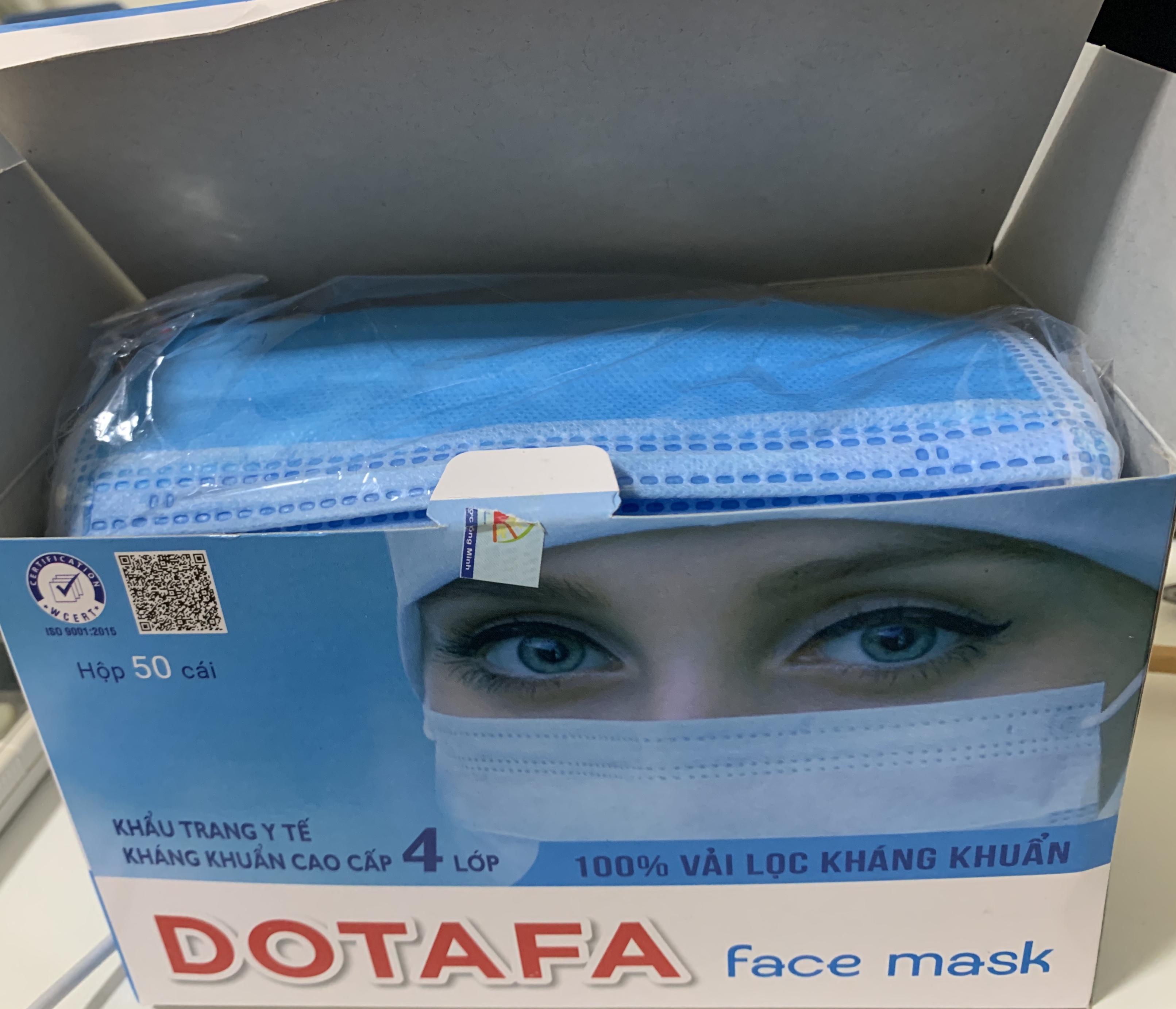
Just bought this Dotafa (4-ply surgical mask made in Vietnam) mask from Qoo10.

The quality is good, with good thickness (see picture below). Delivery speed is fast as well (just 2 days using Qprime delivery). Only issue is the expensive price (around S$1 per mask), but that is the market rate nowadays…

The consensus is that made in Vietnam & made in Indonesia (3-ply or 4-ply) are the best options to get nowadays. This current batch may be the last batch since the respective countries are cracking down on the export of masks.

[S$28.90](▼52%)SG LOCAL STOCK SURGICAL FACE MASK MASKS 3PLY HAND SANITISER

WWW.QOO10.SG

Photo of the “Dotafa” surgical mask (4-ply). There are other equivalent Vietnamese manufacturers as well on Qoo10.


See also:

Centrum Vitamin Review

I used to think that with a balanced diet, there is no need to take vitamins. However, recently I read several articles that due to soil depletion, there is lack of minerals in the soil that is used to plant the crops. According to the Bible, the soil is supposed to rest every 7 years for the Sabbath, but I doubt many countries practice this as it will lead to total loss of income for that year.

By the way, Northern China has a type of rice called Dong Bei Rice that is considered one of the best type of rice, certainly superior to Thai rice. I have tasted Dong Bei Rice in Liaoning Province, it is absolutely delicious. The reason it is so good is because due to the harsh winter, the soil there is forced to rest once a year during the winter. Hence, the soil is rich in minerals.

As a result of soil depletion, the plants that you eat may lack certain trace minerals like Magnesium, Molybdenum, Zinc, etc. The animals (cow/pig/lamb) eat plants that lack the minerals, hence the animals themselves lack the mineral too. Basically, the entire food chain, including humans, lack the mineral. Magnesium deficiency is especially serious, even in 1st world countries like America, 57% of the US population lack Magnesium.

Centrum Men’s and Women’s Vitamin Review

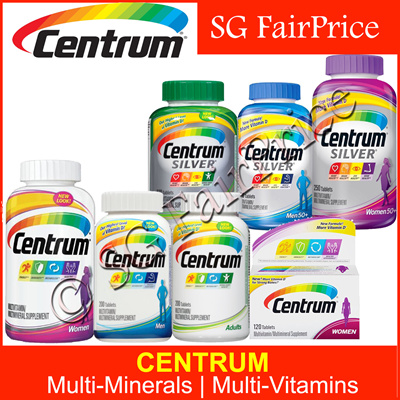
Centrum is the number one selling vitamin in the US. And it is very affordable. For its price range, it is probably the best multivitamin. There are two types for Men and Women. (Women need more iron due to the monthly loss of blood; Men need less iron. There are some other differences too, like Men need more Zinc.)

After just one day, I can feel the difference, more energetic and alert. My wife feels it too, and also experienced less hair dropping. Possibly people in Singapore and 1st world countries do not need to eat it everyday, since our diet is relatively nutritious (but still lacking certain minerals due to soil depletion). One can eat it every other day, or up to your own schedule.

Amazon sells it quite cheaply (different packaging from the Singapore version):


Centrum Men (250 Count) Multivitamin / Multimineral Supplement Tablet, Vitamin D3


Centrum Women (250 Count) Multivitamin / Multimineral Supplement Tablet, Vitamin D3

For faster delivery in Singapore, one can purchase in Qoo10:

[S$23.90](▼53%)[Centrum]★Centrum★ 40% OFF SALE! Silver / MultiVitamin / MultiMineral Supplement For Adults / Women / Men

WWW.QOO10.SG

Does Reboiled Water Cause Cancer?

Just to share with all. Hard to imagine that a simple act like reboiling water is actually causing harm to health.

The logic makes sense though: reboiling water evaporates some of the water which is lost as water vapor. The remaining salts (including arsenic / nitrates) become more concentrated, and hence more harmful.

Do share this with your loved ones!

Source: ThoughtCo

There is a concern that reboiled water may lead a person to develop cancer. This concern is not unfounded. While the boiled water is fine, increasing the concentration of toxic substances may put you at risk for certain illnesses, including cancer. For example, excessive intake of nitrates has been linked to methemoglobinemia and certain types of cancer. Arsenic exposure may produce symptoms of arsenic toxicity, plus it has been associated with some forms of cancer. Even “healthy” minerals may become concentrated to dangerous levels. For example, excessive intake of calcium salt, commonly found in drinking water and mineral water, can lead to kidney stones, hardening of the arteries, arthritis, and gallstones.

Good night’s sleep adds up to better exam results – especially in maths

To all students taking Maths exams, do have a good night’s sleep before the exam!

Source: http://www.telegraph.co.uk/health/healthnews/5486844/Good-nights-sleep-adds-up-to-better-exam-results-especially-in-maths.html

Researchers found that higher scores were related to greater sleep quality, especially less awakenings rather than the actual length of time asleep.

The team of researchers, led by Dr Jennifer Cousins at the University of Pittsburgh, studied 56 adolescents and compared their sleep patterns with their exam grades.

They found those that enjoyed deeper, less disturbed, sleep were the most successful, especially in maths but also in English and history. 

Those who fell asleep and awoke easily – especially at weekends – were found to have better exam results.

Higher maths scores were related to less night awakenings, less time spent in bed, higher sleep efficiency and great sleep quality.

Maths Skills to be a Doctor

Doctor and Lawyer are the top two favourite careers in Singapore. Do doctors need to use Maths? Read the below to find out.

Even if Maths is not directly needed, the logical thinking skills learnt in Mathematics will definitely be of great use. 🙂

I am not a medical doctor, but my two younger siblings are medical students, and the Mathematical knowledge and thinking skills have definitely helped them in their medical studies.

Source: http://www.rossu.edu/medical-school/students/Mathematics-in-Medicine-.cfm

Functional numeracy is as essential to an aspiring medical professional as functional literacy. As a physician, perhaps the most important mathematical skills you will need are:

1. Basic mathematical knowledge sufficient to calculate drug doses, concentrations, etc.

2. An understanding of the core statistical concepts most commonly represented in the medical literature.

3. Knowledge of algebra to understand calculations of acid–base status, etc.

4. Ability to appreciate whether or not results are mathematically plausible.    (Nusbaum, 2006)

The careful logical reasoning that is necessary for the study of mathematics is an essential element of clinical reasoning. Although you do not need higher mathematics to get through medical school, you will need the ability to manipulate numbers, including fractions, ratios, powers of 10 and logarithms. You will also need a basic understanding of probability, graphs and simple algebra. You will need to rearrange equations and convert between units of measure.


Source: http://everydaylife.globalpost.com/kind-math-work-doctor-know-26082.html

It’s often unclear from your interactions with a doctor how much math she is using in order to treat you. While not all doctors have to use math as directly and frequently as engineers do, all of them must understand the complex mathematical equations that inform different medical treatments in order to administer treatments correctly.

Dosages and Half-Life

One of the most common ways in which doctors use mathematics is in the determination of medicine prescriptions and dosages. Doctors not only have to use basic arithmetic to calculate what dosage of a particular drug will be effective for your height and body type over a specific period of time, they will also have to be aware of the medicine’s cycle through the body and how the dosage of one drug compares with the dosage of a similar type of drug. Sometimes doctors have to use calculus to figure out the right dosage of a drug. Calculus is the study of how changing variables affect a system. In the human body, the kidney processes medicine. However, people’s kidneys are at varying levels of health. Doctors can designate the kidney as a changing function in a calculus equation known as the Cockroft-Gault equation. This equation uses the level of creatine in a patient’s blood to find the level of the kidney’s functioning, which allows the doctor to determine the appropriate dose.

Cancer Treatment

When a doctor administers radiation therapy to a cancer patient, the radiation beams have to cross each other at specific angles, so that they harm the cancerous tumor without harming the surrounding healthy tissue. The precise numbers for these angles must be calculated mathematically. Cancer tends to respond to any drug by mutating so that its DNA is no longer affected by that drug. Oncologists and medical scientists have decided to target cancerous tumors with many different kinds of drugs at once so that the cancer is unable to respond adequately. They use complex mathematical models that plot the speed and timing of the cancer’s different mutations to figure out what combinations and dosages of different drugs should be used.

Medical Images and Tests

Doctors in medical imaging use two-dimensional images of a patient’s body taken from thousands of angles to create a three-dimensional image for analysis. Determining what angles should be used and how they will fit together requires mathematics. Medical researchers who study disease will analyze the mathematical dimensions of these images. Neurologists who run EEGs on patients to measure their brain waves must add and subtract different voltages and use Fourier transforms to filter out signal static. Fourier transforms are used to alter functions in calculus.

Treatment Research

Medical scientists working with cardiologists use differential equations to describe blood flow dynamics. They also build sophisticated computer models to find the ideal size of an artificial aorta and where to place it in an infant pending a heart transplant. Doctors have to read medical journals to keep up on the latest scientific findings for the benefit of their patients. In addition to describing the calculus used to model health conditions, medical journal studies also make heavy use of statistics and probability to describe the health conditions of whole populations and the likelihood that different treatments will be effective.