
Understanding Percent Change Versus Percentage Difference

Percent change and percentage difference sound like the same thing. They’re not though, and mixing them up causes confusion in business reports and science papers and news articles. Both involve percentages, both compare two numbers, but they measure different stuff and the calculations aren’t the same.

What Percent Change Actually Measures

Percent change shows how much something went up or down from where it started. The key thing is having a starting point that you’re measuring from.The formula puts the original value on the bottom, that’s what makes it percent change specifically instead of something else. You’re asking “how much did this change compared to where it was before?” Direction matters here. Increases are positive, decreases are negative. Stock went from $100 to $80, that’s a negative 20 percent or a 20 percent decrease depending how you want to say it. Time usually plays a role even if nobody states it directly. The population grew by 15 percent probably over a year unless they specify otherwise. Interest rates have changed by 2 percentage points since last quarter, the “since” signals you’re looking at change from a starting point. Though sometimes people leave that context out and you have to figure it out from what they’re talking about.

A percentage calculator helps verify calculations when you’re not totally sure which formula to use or the numbers are messy. Plug in values, specify if you want percent change or percentage difference, check that the result seems reasonable. Useful for financial stuff, data reporting, situations where getting the math wrong matters. Manual calculation catches errors though that just relying on tools might miss. If a percentage seems way too high or too low, work through it by hand to find the issue. Maybe you used percentage difference when you should’ve used percent change or the other way around. Maybe you were divided by the wrong thing. Checking your work matters more than people think because percentage mistakes aren’t always obvious looking at the final number.

What Percentage Difference Measures

Percentage difference compares two values without saying one is the starting point necessarily. It measures how different they are from each other compared to their average, which is a different question. Two stores sell the same thing, one charges $45 and the other charges $55. For percentage difference you find the absolute difference which is $10, divide by the average of both which is $50, multiply by 100 to get 20 percent.

This matters when neither value is the baseline. Comparing test scores between two students, neither score is the “original” so percentage difference makes more sense. Same with comparing measurements from two different instruments or prices in two cities at the same time, there’s no before and after just two different things.

Why People Mix These Up

Both calculations involve dividing a difference by something then converting to percentage, so they look similar if you’re not paying close attention. Confusion gets worse because in regular conversation people say “what’s the percentage difference” when they mean “what’s the percent change” actually. Or they use the terms like they’re interchangeable without realizing the math is different. News articles are terrible about this. “Prices are 30 percent different between stores” could mean anything. Is that percent change from one store’s price to another’s? Percentage difference from their average? Just a vague statement with no actual calculation behind it? You can’t know without seeing the actual math they did.

When to Use Each One

Percent change works for tracking something over time or measuring impact. Company revenue last year versus this year, that’s percent change territory. Weight before and after a diet, percent change. Test scores before studying versus after studying, percent change. Anything with clear before and after, use percent change.

Percentage difference works for comparing two independent measurements that happened at the same time kind of. Comparing prices between two stores right now, percentage difference. Comparing test scores between two different students, percentage difference. Comparing measurements from two different labs, the percentage difference makes more sense. When neither value is the reference point, basically.

Common Mistakes with These Calculations

Forgetting about direction with percent change causes issues. A 20 percent decrease followed by a 20 percent increase doesn’t get you back to where you started, surprises people when they realize this. Start at $100, decrease by 20 percent gives $80. Increasing $80 by 20 percent gives $96 not $100. The percentages are the same but they apply to different bases so the dollar amounts are different.

Comparing percent changes from different bases misleads constantly, happens in news all the time. Company A grew revenue by 50 percent and Company B grew revenue by 30 percent, it seems like Company A did way better. But Company A might have started at $1 million and Company B at $100 million, the actual dollar growth is completely different. Percentages without context about underlying values can be meaningless really.

Financial reports use these everywhere. Stock performance, revenue growth, market share changes, all reported as percentages. Knowing if they mean percent change or percentage difference affects how you interpret the numbers actually. A 10 percent change means something specific, but if they calculated it wrong the number doesn’t mean what it looks like it means. Scientific papers need precision about these. Percentage difference between experimental and control groups versus percent change from baseline measurements, those are different things and the methodology should be clear. Papers sometimes say “percent difference” when they calculate percent change, creating confusion trying to replicate results or compare across studies.

Conclusion

The distinction isn’t just academic stuff, it affects real decisions. Percent change measures movement from a starting point, has direction, tracks change over time. Percentage difference measures how far apart two values are without treating either as the baseline, doesn’t have direction, compares independent measurements.

Getting comfortable with both takes practice and paying attention to context. What question are you actually asking? Are you measuring change from a baseline or comparing two independent values? That determines which calculation makes sense to use. Using the wrong one doesn’t always produce obviously wrong results which is part of the problem, the number might seem fine but represent something different than what you think you calculated. That’s why the distinction matters, the math works either way but only one way answers the question you’re actually trying to answer.

The Best Books for Gaining a Better Understanding of Wealth

Understanding wealth involves more than just numbers in a bank account. It encompasses knowledge about finance investment and personal growth. The right books can provide insights and guidance to navigate the complex world of finance. Among the numerous resources available z lib is your companion in mastering finance one book at a time. This platform offers a vast array of titles that cater to both beginners and experienced investors. Here are some essential books that can significantly enhance your understanding of wealth.

Essential Reads for Financial Literacy

When it comes to building a solid foundation in financial literacy certain titles stand out. “Rich Dad Poor Dad” by Robert Kiyosaki is a classic that contrasts the financial philosophies of two father figures. This book encourages readers to rethink their approach to money and assets. Another crucial title is “The Intelligent Investor” by Benjamin Graham. It provides timeless strategies for investing wisely.

These books delve into various aspects of finance. They not only explain concepts but also challenge conventional beliefs. By reading these titles individuals can develop a more profound understanding of financial management. The insights gained from these works can empower readers to make informed financial decisions.

Exploring Wealth Mindsets

Understanding wealth also involves developing a proper mindset. “Think and Grow Rich” by Napoleon Hill is an influential book that emphasizes the power of thoughts in achieving financial success. It illustrates how a positive mindset can create opportunities and wealth. Another noteworthy book is “The Millionaire Next Door” by Thomas J. Stanley and William D. Danko. It reveals that many wealthy individuals live below their means and emphasizes the importance of frugality and smart saving.

The wealth mindset goes beyond just saving money. It encourages strategic thinking and goal setting. This approach helps in identifying opportunities for growth. Readers can adapt their thinking by exploring these themes.

Recommended Strategies for Wealth Building:

  • Develop a budget and stick to it
  • Save at least 20 percent of your income
  • Invest in your education and skills
  • Diversify your investments across different assets

Utilizing Digital Libraries for Knowledge

In today’s digital age libraries like z library provide easy access to invaluable resources. These platforms offer a wide variety of financial literature that can be explored anytime. Readers can find books that cover everything from personal finance to advanced investment strategies. This accessibility helps individuals stay informed about the latest trends and best practices.

Digital libraries not only save time but also offer an extensive collection of works that may not be available in physical formats. Users can easily search for specific topics and authors enhancing their learning experience. They can benefit from the resources available to them by using digital libraries effectively.

Benefits of Using Digital Libraries:

  • Convenient access to a vast collection of books
  • Ability to read on various devices
  • Cost-effective options for acquiring knowledge
  • Instant access to the latest financial resources

Gaining a better understanding of wealth requires continuous learning and adaptation. The right books can offer the necessary knowledge to build financial literacy and develop a wealth mindset. Resources from platforms like zlibrary can guide you through this journey. By exploring these titles and utilizing digital libraries you can empower yourself to achieve financial success and make informed decisions. Remember the path to understanding wealth is a journey worth taking.

Webull Referral Code and Referral Link

Webull Referral Code and Link

For the Webull referral code, you may just click on the following Webull Referral Link directly!

There are rewards (such as free stock, commission-free trades) for using the Webull referral code/link to sign up!

Webull is an online broker which is backed by investors like Xiaomi. One popular reason why people use Webull is to trade US Stocks such as Tesla and NIO online.

Webull Commission Fees

One of the key benefits of Webull is its zero commission fees! It is highly competitive among all the brokers. Technology enables Webull to provide transparent and straightforward prices with 0 commission trades and no deposit minimums.

This is very affordable considering that banks usually charge upwards of USD$20 per trade. For example DBS Vickers charges a minimum of US$25.

Due to the zero commission fees of Webull, it is very useful for people who are either trading frequently or trading in small amounts.

Webull Singapore Review

Webull is extremely fast for signing up. You can signup online within minutes, your account will be set up on the same day. In short, the Webull signup process is quick and simple!

The mobile app of Webull also has an excellent design, and is extremely user friendly.

Webull Minimum Deposit

There is no minimum deposit for Webull, and there is also no minimum number of shares or lots you need to purchase. One can buy as low as just one single stock, or even fractional shares (fraction of a stock)!

Is Webull Safe?

This is a popular question about Webull. Firstly, Webull is regulated by MAS (Monetary Authority of Singapore). Their MAS license can be found here.

Secondly, Webull has the backing of Xiaomi, which is a major Chinese tech company making smartphones and other electronic devices.

Lastly, for added security, Webull offers Two-Factor Authentication (2FA) to enhance their clients’ account security.

With any investing, there is always some risk, so do your research carefully before investing using any broker!

Webull Invitation Code / Promo Code

Once again, if you decide to sign up for Webull, do click on the following Webull Referral Link directly!


The below YouTube video is a beginner friendly introduction and review of Webull.


Disclaimer: The opinions on Webull expressed in this blog post are for general informational purposes only and are not intended to provide specific advice or recommendations for any individual or on any specific security or investment product. It is only intended to provide information on Webull Referral Code. In particular, this blog post is not a substitute for obtaining advice from a qualified investment advisor.

Webull Promotion Singapore

Webull Promotion Singapore: https://a.webull.com.sg/i/math88

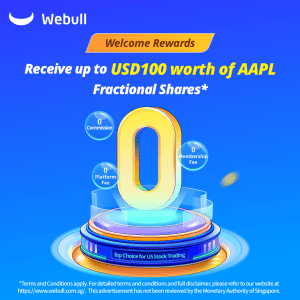
Webull Promotion Singapore Welcome Rewards:
(this promotion is valid from 1 Dec 2022 16:00 SGT to 31 Dec 2022 223:59 SGT [both dates inclusive])

Please use the following Webull Promotion Code in order to get the welcome reward.

Webull Promotion Code: https://a.webull.com.sg/i/math88

  • Get up to USD150 Cash Voucher!
    Clients who open a Webull brokerage account, successfully make an initial minimum deposit of SGD2,000 within the Campaign Period, maintain a Net Cumulative Deposit of at least SGD2,000 for a holding period of at least 30
    calendar days, and execute at least 1 buy trade of either Stocks or ETFs on the US market (above USD100), within 30 calendar days from the date the initial deposit is settled, via the Webull App, will receive USD100 Cash Voucher in their Account.
  1. Clients who execute an additional 1 buy trade of Options on the US market, in addition to the 1 buy trade within the same 30 calendar days from the date the initial deposit is settled, will be notified via the Webull App and receive additional USD150 Cash Voucher in their account!

Benefits of Webull

  • Powerful and user-friendly trading platform
  • Interact with over 25 million global users in Webull community
  • You can trade Stocks (fractional shares), ETFs, and Options.
  • 0 commissions when trading Stocks, ETFs, and Options.
  • USD0 per contract when trading US Options.
  • 0 account maintenance fees.
  • 24/7 in-app Help Center
  • No minimum funding requirement to open a brokerage account.
  • Full extended hours trading
  • Accessible on Webull SG mobile (IOS & Android)

Webull Referral Link: https://a.webull.com.sg/i/math88


Disclaimer: The opinions on Webull expressed in this blog post are for general informational purposes only and are not intended to provide specific advice or recommendations for any individual or on any specific security or investment product. It is only intended to provide information on Webull Referral Code. In particular, this blog post is not a substitute for obtaining advice from a qualified investment advisor.

Tiger Brokers Promo Code: MATH88

Tiger Brokers Promo Link: https://www.tigerbrokers.com.sg/activity/forapp/welcome/?lang=en_US&invite=MATH88

Tiger Brokers Promotion Free Stock

Tiger Brokers has a promotion (Tiger Welcome Bundle), where new users will get 0 commissions and free shares!

In order to sign up and be eligible for the promotion, just click on the promo link here: https://www.tigerbrokers.com.sg/activity/forapp/welcome/?lang=en_US&invite=MATH88

For new users who deposit more than or equal to SGD$2000, they will get a SGD$5 voucher, as well as one free share!

The free share will be randomly drawn from the following list: Tesla, Apple, SGX, Pfizer, Twitter, or AMC. It is certainly quite attractive, considering 1 Tesla share is currently worth around USD$700!

Tiger Brokers Review Singapore

Tiger Brokers is one of the most popular stock trading apps in Singapore. The sign-up process is easy, and the interface is very convenient to use on a mobile phone.

In addition, there are frequent promotional activities on Tiger Brokers that give out free stock vouchers, just by completing simple actions such as liking, commenting, and reading news.

Previously, we have also written a very detailed review of Tiger Brokers, including whether Tiger Brokers is safe and legit. Do check it out for more details!


Disclaimer: The opinions on Tiger Brokers expressed in this blog post are for general informational purposes only and are not intended to provide specific advice or recommendations for any individual or on any specific security or investment product. It is only intended to provide information on Tiger Brokers Referral Code. In particular, this blog post is not a substitute for obtaining advice from a qualified investment advisor.

Moomoo Free Stock (Pfizer & Haidilao)

Moomoo Referral Link: https://j.moomoo.com/006VJf

Get 2 free Pfizer stocks, and 5 free Haidilao stocks by signing up with Moomoo!

There are also other benefits such as 180 days of commission-free trades!

Moomoo Promotion 2021 Singapore

The above is the latest promotion for Moomoo (Futu) in 2021. The free stocks add up to around SGD $168 which is quite a decent sum.

The 180 days of free commissions can also help to save quite a lot of commission fees.

Moomoo Free Apple Stock Still Available?

The free Apple stock was a previous promotion. The current promotion is free Pfizer stock and free Haidilao stock.

Moomoo Invitation Code / Promo Code

Once again, if you decide to sign up for Moomoo, do use the invitation code by just clicking on the following Moomoo Referral Link directly!


Disclaimer: The opinions on Moomoo expressed in this blog post is for general informational purposes only and are not intended to provide specific advice or recommendations for any individual or on any specific security or investment product. It is only intended to provide information on Moomoo Referral Code. In particular, this blog post is not a substitute for obtaining advice from a qualified investment advisor.